
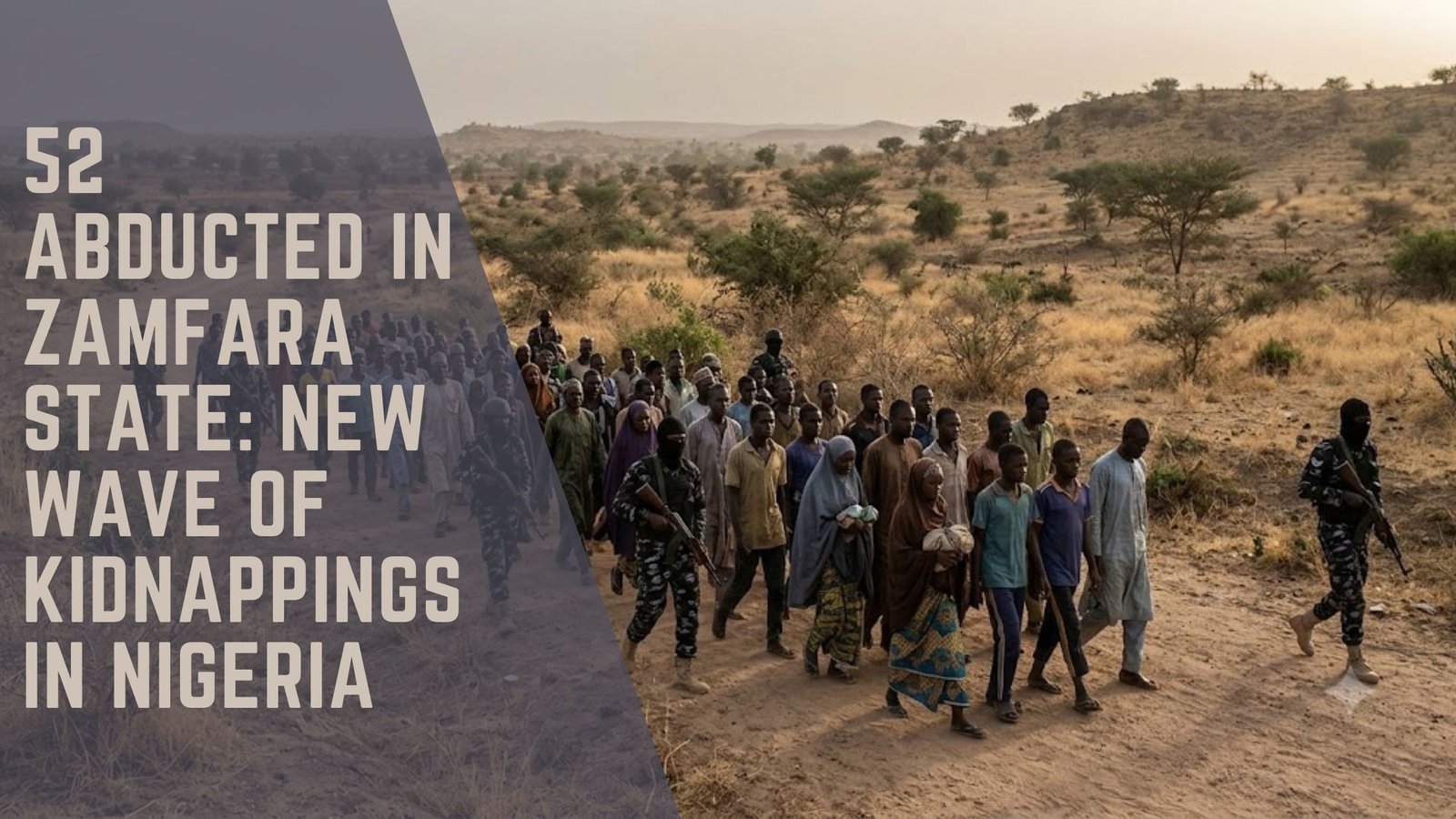

Mass Kidnapping in Zamfara State: Over 50 Villagers Taken
In a distressing incident highlighting the ongoing security challenges in Nigeria, gunmen have abducted at least 52 individuals, including children, from a village in Zamfara State. The attack occurred over the weekend, as local sources confirmed on Monday. Initially, more than 100 villagers were captured, but some were released, leaving 52 people still held hostage.
Details of the Abduction
The attack took place in Kasuwar Daji, a village located in the northwest region of Nigeria, which has been plagued by similar incidents in recent years. Residents, including Shehu Abullahi, whose 12-year-old daughter is among those kidnapped, have expressed deep concern over the increase in such violent acts. The local community has been left in shock and fear as they grapple with the uncertainty surrounding the fate of their loved ones.
Military and Government Response
The Nigerian army has acknowledged the incident but has yet to provide a specific number of those kidnapped, describing the figures as “unspecified.” The government faces mounting pressure to address the security situation, which has seen a rise in banditry and kidnapping for ransom across various states.
Efforts to secure the release of the captives are reportedly underway, although details remain scant. Authorities have been criticized for their perceived inability to effectively combat the escalating violence that disrupts the lives of ordinary citizens.
Impact on Local Communities
Kidnappings in Nigeria, particularly in the northwest region, have become alarmingly frequent, affecting the socio-economic stability of affected communities. These incidents not only instill fear but also hinder development efforts as people live in constant apprehension. The psychological impact on families, especially children, is profound, with many suffering from trauma and anxiety.
Furthermore, the persistent threat of abductions has led to the displacement of numerous families, who flee their homes in search of safer havens. This has further strained resources in already impoverished areas, complicating efforts to provide basic services and support to those in need.
Underlying Causes and Challenges
The root causes of these kidnappings are complex, involving issues such as poverty, unemployment, and inadequate security infrastructure. Bandit groups exploit these vulnerabilities, using kidnappings as a means to extort money from families and communities.
Experts argue that a multi-faceted approach is necessary to tackle the problem effectively. This includes not only strengthening security measures but also addressing the socio-economic factors that drive individuals towards criminal activities. Community engagement and intelligence-sharing are key components in developing a sustainable solution.
International and Local Reactions
The international community has expressed concern over the rising insecurity in Nigeria, urging the government to take decisive action. Human rights organizations have also highlighted the plight of those affected, calling for greater accountability and protection for vulnerable populations.
Locally, there is a growing call for collaboration between government agencies, traditional leaders, and civil society organizations to develop comprehensive strategies that address both immediate and long-term challenges.
Conclusion
The recent mass kidnapping in Zamfara State is a stark reminder of the ongoing security challenges facing Nigeria. As efforts to rescue the abducted individuals continue, the incident underscores the urgent need for a coordinated and effective response to prevent further occurrences and ensure the safety and well-being of all citizens.