
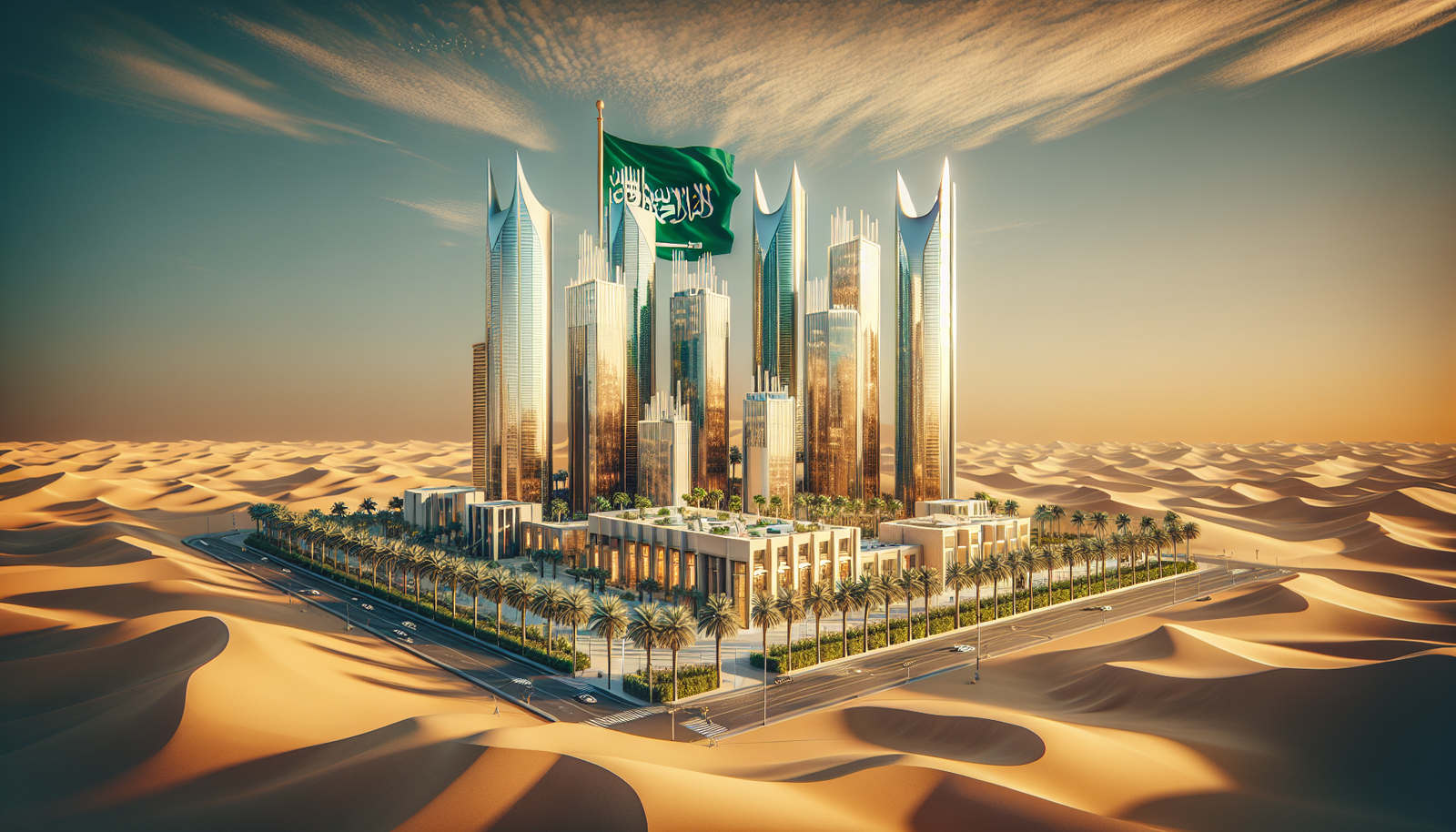

Saudi Arabia: A Rising Real Estate Powerhouse
Saudi Arabia is rapidly positioning itself as a prominent real estate investment hub within the Gulf Cooperation Council (GCC). This transformation is not solely due to its ambitious mega-projects, but also because of a comprehensive strategy centered on economic diversification, demographic growth, infrastructural advancements, and regulatory reforms.
Economic Diversification and Market Transformation
The Kingdom’s Vision 2030 initiative is a pivotal driver reshaping the real estate landscape. By fostering private sector involvement, expanding non-oil sectors, and designing new urban centers, Saudi Arabia is creating a fertile ground for residential, hospitality, retail, and mixed-use developments. Investors are drawn to the Kingdom’s potential, seeing it as an opportunity for long-term growth.
Robust Economic Scale and Rising Demand
Saudi Arabia boasts the largest economy in the Arab world, which serves as a significant catalyst for real estate investment. The Kingdom’s expanding population necessitates a continual demand for housing, commercial spaces, and community infrastructure. Moreover, the steady growth of non-oil industries suggests a broader economic momentum that enhances investor confidence in the market’s durability.
Diverse Development Opportunities
A key aspect attracting investors is the vast scope of development activity. Vision 2030 projects are dispersed across various cities and asset classes. Riyadh’s expansion, tourism-driven coastal projects, mixed-use master developments, and logistics corridors are all contributing to the revaluation of land and altering long-term demand trends. For those seeking detailed investment insights, tools like Invest in Saudi with Bayut offer crucial guidance.
Tourism as a Catalyst for Real Estate
Saudi Arabia’s efforts to boost tourism are significantly impacting the real estate sector. The influx of visitors enhances the prospects for hotels, serviced apartments, branded residences, retail centers, and temporary accommodations in both established and emerging locations. Increased tourism often leads to a surge in real estate activities, from transportation-linked developments to leisure-oriented communities.
Residential Sector: A Pillar of Growth
Housing remains a fundamental component of Saudi Arabia’s real estate market. With initiatives aimed at enhancing supply and providing financing options, the residential sector is poised for long-term growth. For investors, this translates into opportunities ranging from end-user housing to build-to-sell communities, aligning with broader urban development trends.
Key Cities and Emerging Destinations
Riyadh, Jeddah, Makkah, Madinah, and Dammam are currently the focal points for real estate investment. However, new destinations associated with tourism and master-planned developments are gaining traction, offering fresh opportunities for investors willing to explore beyond traditional markets.
Investment Strategies and Market Considerations
Saudi Arabia’s real estate market is generally more favorable for medium- to long-term investments. Opportunities are typically linked to national transformation projects, infrastructural growth, and phased urban developments. Prospective investors should thoroughly evaluate location fundamentals, developer performance, infrastructure plans, local demand, legal frameworks, holding costs, and potential exit strategies before entering the market.