
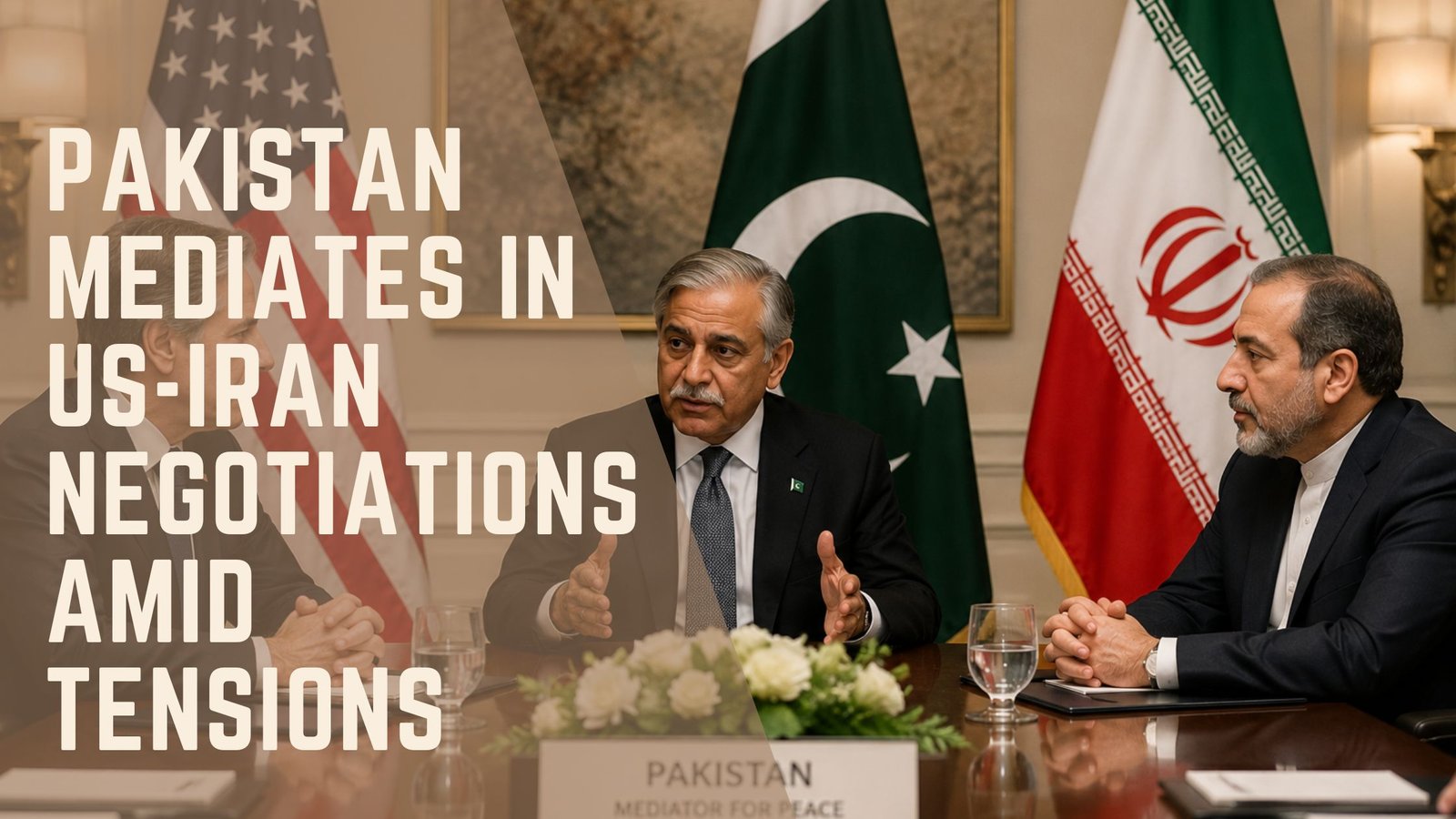

Pakistan’s Diplomatic Intervention in US-Iran Talks
In a strategic effort to mediate between Iran and the United States, Pakistan’s Interior Minister Syed Mohsin Naqvi engaged in crucial discussions with Iranian Foreign Minister Abbas Araqchi. These talks, held in Tehran, are aimed at de-escalating the ongoing US-Israeli conflict and addressing the broader geopolitical tensions in the region. According to reports from Iranian media outlets Tasnim and ISNA, Naqvi is playing a pivotal role in facilitating communications to establish a framework that could potentially end the war and resolve longstanding disputes.
Challenges in Negotiations: Uranium Enrichment and Strait of Hormuz
The talks come against a backdrop of significant challenges, including Tehran’s contentious uranium stockpile and the control over the strategic Strait of Hormuz. Despite some progress, key issues remain unresolved, with uranium enrichment and maritime tolling being primary sticking points. US Secretary of State Marco Rubio expressed cautious optimism, noting some positive developments while warning against overconfidence. The closure of the Strait, a critical shipping lane, has severely impacted global oil supply, fuelling economic instability and inflation concerns.
Economic Implications and Global Reactions
The conflict has sent shockwaves through the global economy, particularly affecting oil prices. The International Energy Agency has highlighted the severity of the situation, warning of a potential ‘red zone’ in the energy market due to reduced supply from the Middle East. As tensions persist, the US dollar remains volatile, and market analysts express skepticism about the likelihood of a quick resolution.
US and Iranian Stances: Diverging Views
US President Donald Trump has reiterated Washington’s stance on Iran’s nuclear capabilities, asserting that the US would not allow Tehran to retain its enriched uranium stockpile. Trump’s comments underline the deep-seated mistrust between the two nations, with Tehran insisting its nuclear program is for peaceful purposes. The US administration also opposes Iran’s proposed tolling system for ships passing through the Strait of Hormuz, a move Trump deems illegal.
Political Pressures and Strategic Calculations
Amid these diplomatic tensions, President Trump faces domestic political pressure as midterm elections loom. Rising fuel prices and public dissatisfaction with foreign policy have put additional strain on the administration. Meanwhile, Iran has submitted a new proposal to the US, which reportedly echoes previously rejected terms, including demands for control over the Strait, compensation for war damages, and sanctions relief. These proposals reflect Iran’s strategic calculations in seeking to leverage its position.
Prospects for Peace and Regional Stability
The ongoing negotiations are crucial not only for the immediate resolution of the conflict but also for long-term regional stability. Iran’s ability to maintain its stockpile of near-weapons-grade uranium and its military capabilities, including missiles and proxy militias, remains a significant concern for the US and its allies, particularly Israel. The diplomatic efforts led by Pakistan underscore the complexity of the geopolitical landscape and the need for a nuanced approach to conflict resolution.
Conclusion: Uncertain Path Ahead
As the talks progress, the international community watches closely, recognizing the high stakes involved. The potential for a diplomatic breakthrough exists, but the path remains fraught with challenges. The coming weeks will be critical in determining whether these efforts can lead to a sustainable peace agreement or if the region will continue to grapple with instability and conflict.