

Oil Prices Drop Amid Positive US-Iran Negotiation Signals
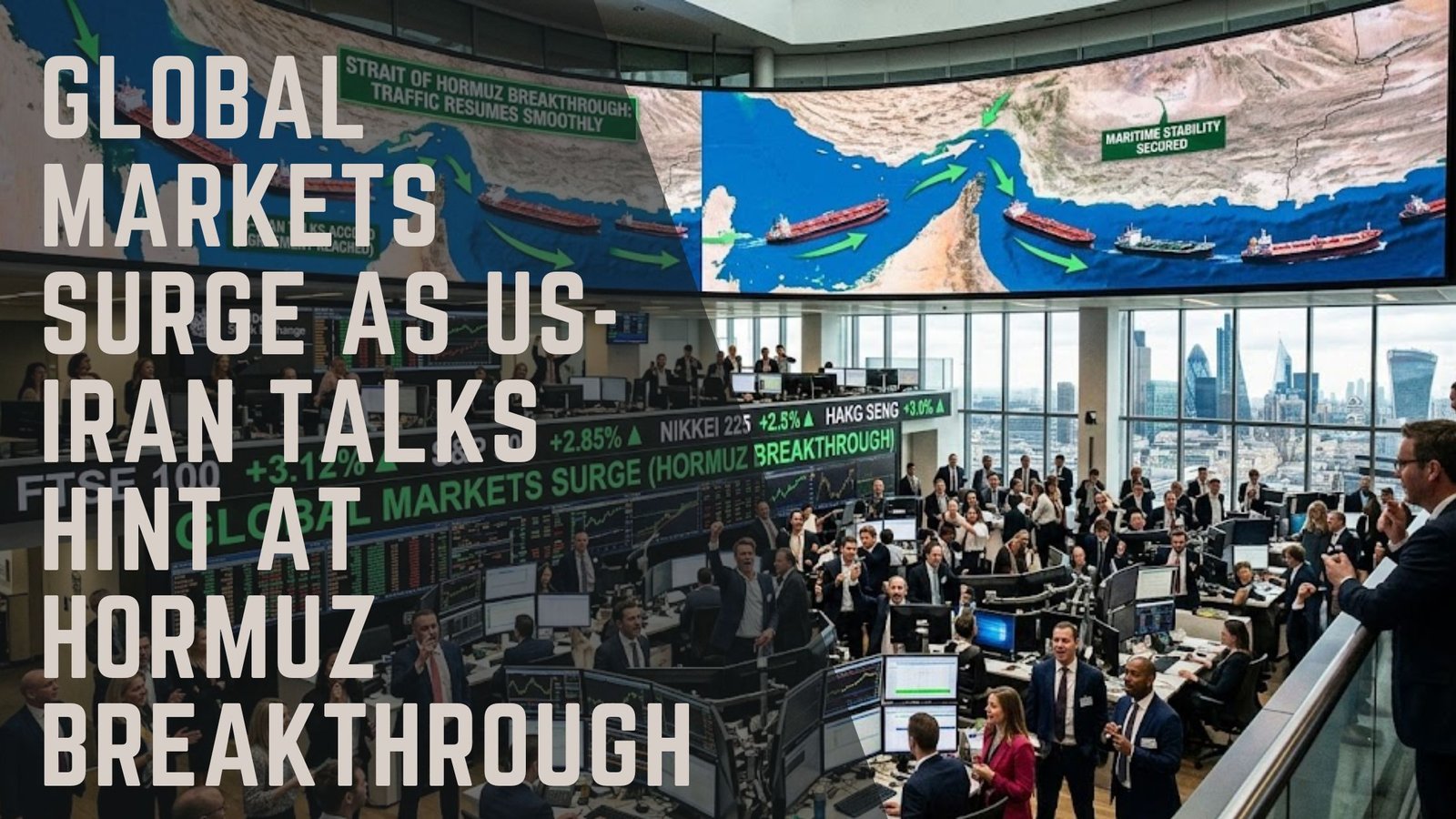
On Monday, a notable decline in oil prices was observed alongside a robust climb in Asian stock markets. This shift came as optimism prevailed over potential progress in negotiations between the United States and Iran. The talks aim to reopen the Strait of Hormuz, a vital corridor for global energy shipments, which has been effectively closed due to ongoing Middle East tensions.
The price of North Sea Brent crude and West Texas Intermediate suffered a significant drop of approximately five percent in Asian markets, hitting $98.47 and $91.53 per barrel respectively at 0705 GMT. This decline reflects the market’s anticipation of a peaceful resolution that could alleviate the current energy price pressures contributing to global inflation.
Progress in Negotiations: A Possible Breakthrough
US Secretary of State Marco Rubio, during a visit to New Delhi, indicated that a deal could be announced imminently. His statement followed comments from President Donald Trump, who described the negotiations as ‘orderly and constructive,’ yet advised caution to avoid rushing the agreement.
Despite the optimistic outlook, several critical issues remain unresolved. Key among these is Iran’s willingness to relinquish its stockpile of enriched uranium, a significant point of contention. Additionally, the potential release of Iranian assets frozen under US sanctions remains a crucial aspect of the negotiations. The inclusion of Lebanon in the peace deal, given its vulnerability to Israeli military actions, adds another layer of complexity to the discussions.
Market Reactions Across Asia and Europe
Asian markets responded positively to the developments, with Tokyo’s stock market closing up by 2.9 percent, achieving a milestone of over 65,000 points for the first time. Shanghai closed with a 0.9 percent increase, whereas Hong Kong and Seoul remained closed due to public holidays. Taipei experienced a substantial rise of more than 3.2 percent, and other markets such as Manila, Bangkok, Jakarta, Singapore, and Sydney also saw gains. Conversely, Kuala Lumpur and Wellington experienced slight declines.
In Europe, stock markets in Frankfurt and Paris opened with approximately a one percent increase. London’s market remained closed for a public holiday. The anticipation of a US-Iran agreement has invigorated investor sentiment across these regions.
Economic Indicators and Investor Concerns
Amidst the geopolitical developments, investors are also closely monitoring economic indicators. The upcoming release of the US Personal Consumption Expenditures (PCE) index, the Federal Reserve’s preferred inflation measure, is particularly critical. This data is expected to provide insights into the inflationary pressures exacerbated by high oil prices and supply chain disruptions linked to the Middle East crisis.
According to SPI Asset Management analyst Stephen Innes, the inflation narrative remains pivotal in current market dynamics. Recent consumer and producer inflation statistics have exceeded expectations, raising concerns about the broader impact of sustained high energy prices.
Background on the Middle East Conflict
The tensions between the United States and Iran escalated following a joint military operation by the US and Israel against Iran on February 28. In retaliation, Iran launched missile and drone strikes across the region. Despite a ceasefire effective since April 8, hostilities continue, with Iran imposing controls on Gulf shipping and the US blockading Iranian ports. Diplomatic efforts are underway to secure a negotiated settlement.
The outcome of these negotiations holds significant implications for global energy markets and geopolitical stability. As the world watches closely, the potential reopening of the Strait of Hormuz could mark a turning point in resolving one of the most pressing international conflicts.