
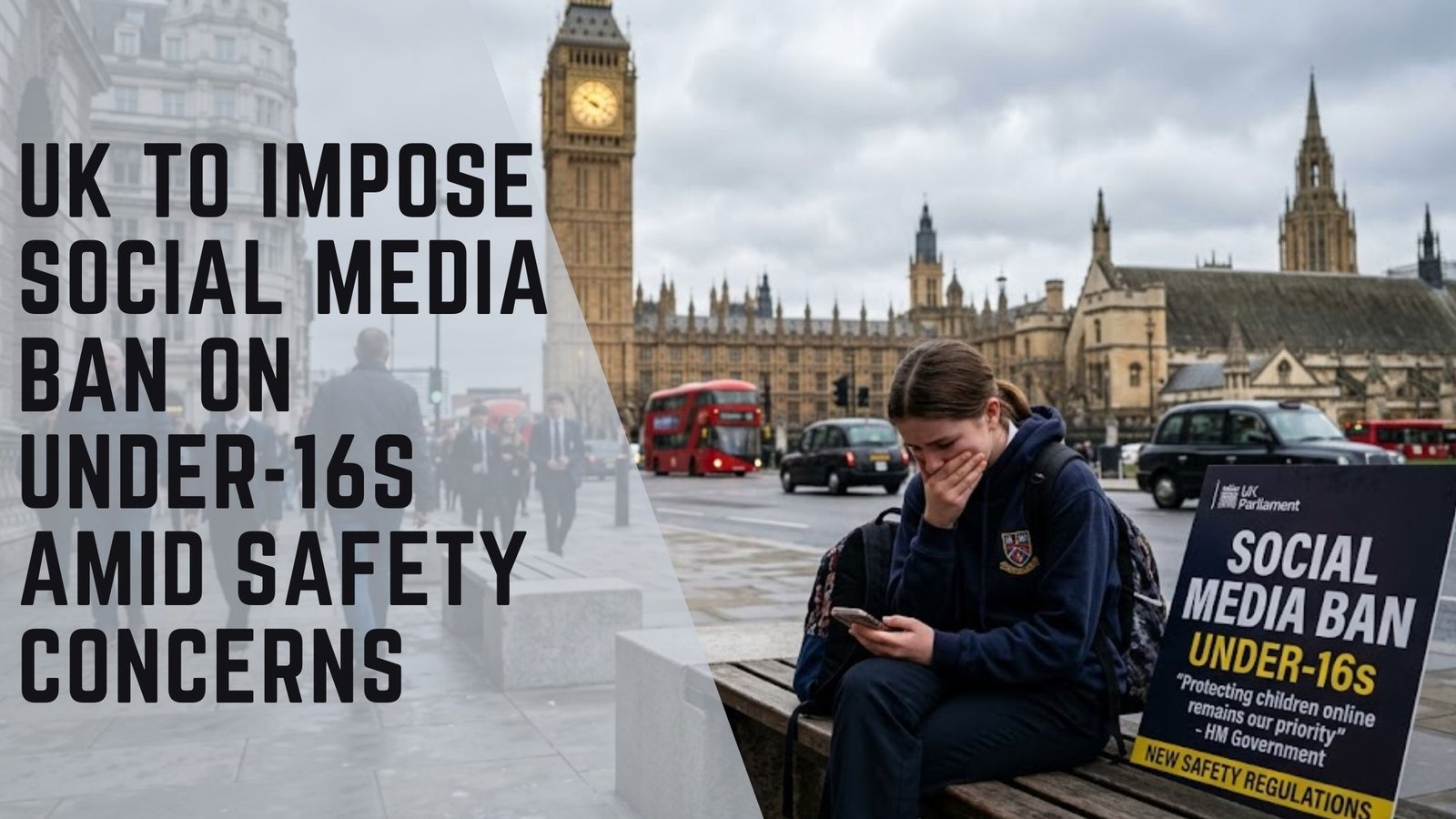

UK Announces Social Media Ban for Minors Under 16
In a significant move aimed at safeguarding young users, British Prime Minister Keir Starmer declared a forthcoming ban on social media use for children under the age of 16. This decision has sparked a mix of praise and criticism, as it tackles growing concerns over the mental well-being and safety of minors online.
Rationale Behind the Ban
Prime Minister Starmer highlighted that the decision was driven by the detrimental effects social media platforms have on children, describing them as environments that often promote content that is both dangerous and addictive. The British government is poised to implement this ban, which will extend to widely used platforms such as Snapchat, TikTok, YouTube, Instagram, Facebook, and X. However, messaging services like WhatsApp are currently excluded from this regulation.
Global Context and Influences
The UK is not alone in this initiative, following Australia’s lead, which enacted a similar ban in December. Australian Prime Minister Anthony Albanese expressed support for the UK’s decision, emphasizing the importance of international cooperation to enhance online safety for youth. Other nations, including Canada and France, are also contemplating similar measures, while Indonesia has already enforced a ban on social media for users under 16 as of March.
Potential Challenges and Criticisms
While the ban has been welcomed by some children’s advocacy groups, such as the National Society for the Prevention of Cruelty to Children, others have voiced concerns about its potential drawbacks. Critics argue that the ban might drive children towards less regulated online spaces, thereby increasing their vulnerability. Jeffrey DeMarco from Save The Children UK pointed out the risk of minors turning to unsafe avenues where guidance and help are scarce.
Reactions from the Tech Industry
The announcement has stirred mixed reactions among technology companies. A spokesperson from YouTube cautioned that a blanket ban could inadvertently push young users toward more dangerous online services. Meanwhile, the UK government has also revealed plans to block harmful functionalities on gaming and live streaming platforms that enable strangers to interact with minors.
Public Consultation and Legislative Steps
The proposal follows an extensive public consultation involving approximately 116,000 respondents, marking it as one of the most significant government consultations to date. Notably, 83 percent of the participating parents expressed that the risks associated with social media usage by children surpassed the benefits, with a substantial 91 percent supporting the establishment of a minimum age limit of 16 years.
Future Implications and Measures
In tandem with the social media ban, the UK government is pressuring tech companies, including Apple and Google, to implement features that prevent minors from sharing or accessing nude images. If companies fail to comply, the government has signaled its readiness to legislate these changes.
Moreover, the government is contemplating additional measures such as overnight curfews and breaks in infinite scrolling for minors, with further details expected to be unveiled in July. These combined efforts underscore a broader commitment to combatting online risks and ensuring safer digital experiences for children.