
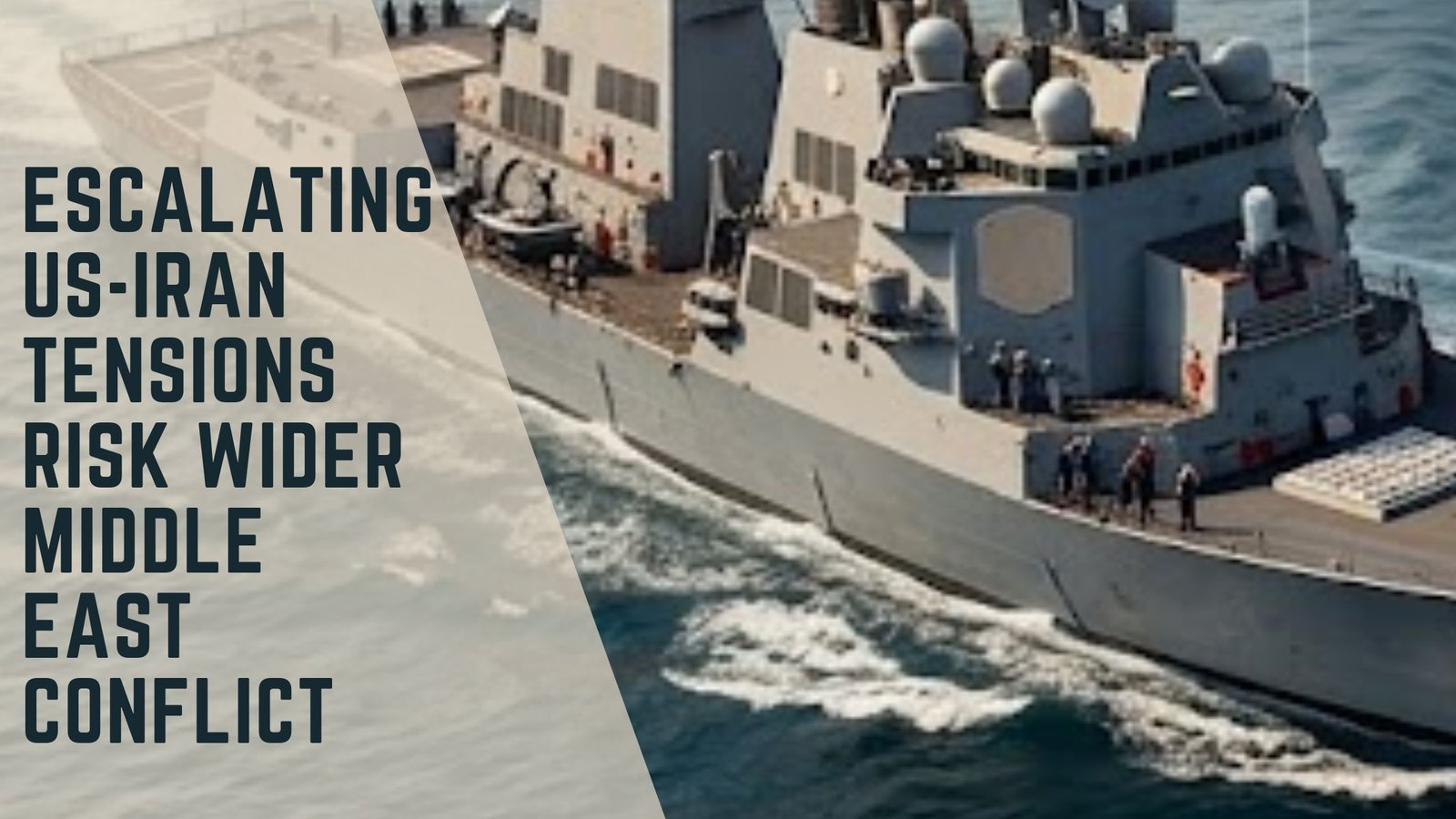

US Military Intensifies Strikes in Northern Iran
The United States has expanded its military operations against Iran, launching strikes further into northern territories on Thursday. The latest offensive actions included targeting a vessel allegedly attempting to breach a US-imposed naval blockade on Iran, escalating an already volatile situation in the Middle East.
Iran’s Retaliatory Measures
In response, Iran launched missile and drone attacks on Bahrain, Jordan, and Kuwait, warning of potential escalation. The ongoing hostilities have undermined a temporary accord aimed at ceasing the Iran war, with fears mounting that the region could spiral into full-scale conflict.
Iranian officials have reported that US strikes have resulted in over 35 fatalities and have injured more than 300 individuals. This week’s attacks mark the first time American forces have targeted areas around Tehran, indicating a broadening scope in military objectives.
Strategic Implications of the Strait of Hormuz
The conflict has intensified around the strategically vital Strait of Hormuz, a critical global shipping route. Iran’s closure of the strait following the initiation of hostilities on February 28 has led to soaring global prices for oil and other commodities, granting Iran considerable negotiating power.
Colonel Ebrahim Zolfaghari, representing Iran’s Khatam Al Anbiya Central Headquarters, issued stark warnings against US interference. He declared that any US attempts to target Iranian infrastructure would meet with severe retaliation.
US Political and Economic Challenges
The escalation poses significant challenges for US President Donald Trump and his Republican Party, particularly given the upcoming congressional elections in November. The blockade of the Strait of Hormuz has complicated efforts to stabilize the region, with oil prices continuing to rise, impacting economies globally.
Despite efforts by international mediators, tensions remain high. President Trump has expressed that Iran is inclined towards peace negotiations, yet he acknowledged uncertainty about reaching a settlement.
Developments and Diplomatic Efforts
In a gesture described as goodwill, Iran released Dena Karari, a US-Iranian citizen detained on espionage charges, although Tehran has not officially confirmed the release. Concurrently, US strikes have targeted regions critical to Iran’s missile and space programs, further increasing tensions.
Iranian media have reported American military activities in several provinces, including Semnan, Hormozgan, and Khuzestan. Additionally, a strategic attack on Greater Tunb Island in the Strait of Hormuz emphasized the US’s continued pressure on Iranian defense capabilities.
Regional Reactions and Future Outlook
International reactions include condemnation from Iraq’s Prime Minister Ali Al Zaidi, following a drone attack on Irbil during his US visit. The incident underscores the broader regional instability fueled by the conflict.
With the reopening of the Strait of Hormuz remaining a critical challenge, experts suggest that a significant military presence may be necessary to ensure passage. Meanwhile, the blockade serves as a strategic tool for the US to exert pressure on Iran.
As the conflict continues, oil prices have experienced fluctuations, with Brent crude exceeding $85 per barrel. The economic implications are profound, affecting markets far beyond the immediate geographic area of conflict.