

US Military Intensifies Strikes Against Iran
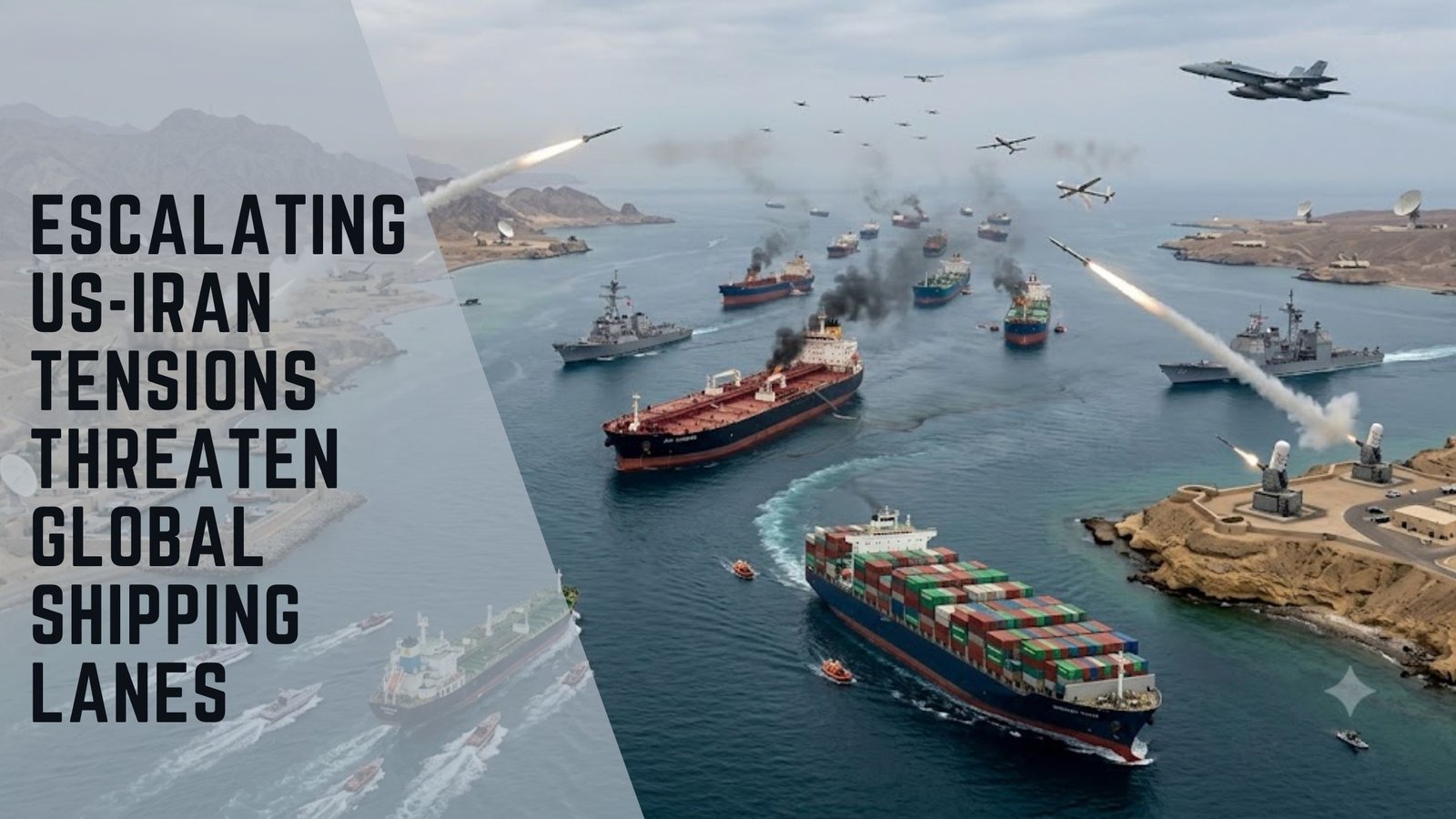
The United States military has launched its 12th consecutive night of airstrikes targeting Iranian positions, further escalating tensions between the two nations over control of key shipping routes. According to US Central Command, these operations aim to diminish Iran’s capacity to threaten civilian mariners and commercial vessels traversing regional waters, especially in the strategically significant Strait of Hormuz.
Trump’s Stern Warning and Strategic Impact
President Donald Trump has issued a stern warning, suggesting that any Iranian attack on ships in the Strait of Hormuz would result in the destruction of Iranian infrastructure, specifically targeting bridges or power plants. This comes amid growing threats to civilian infrastructure from both sides, raising concerns about the potential for significant impacts on international law which generally prohibits such attacks unless the infrastructure serves military purposes.
“From this point forward, any time the Islamic Republic of Iran shoots at a ship in the Strait of Hormuz, whether it be by missile, rocket, drone, or any other device or weapon, the United States will bomb and destroy one bridge or power plant,” Trump declared on social media.
Strait of Hormuz: A Crucial Bottleneck
The Strait of Hormuz remains largely closed, a situation that has disrupted the flow of nearly 20% of the world’s traded oil and gas, with repercussions rippling through global markets. Iran asserts its right to manage traffic and possibly impose fees in the strait, which was previously open and toll-free before the conflict.
In retaliation for Iran’s aggressive actions, the US has reinstated a blockade on Iranian ports and is broadening its military campaign across the nation. Recently, there have been indications from President Trump that US forces may target a concealed Iranian nuclear facility situated deep within a mountain.
Iran’s Defiant Stance
Iranian leaders remain unmoved by American threats. Mohammad Bagher Qalibaf, Iran’s parliamentary speaker, has dismissed the notion of reverting the strait to its pre-war conditions.
Meanwhile, Iranian state media reports indicate that US missile strikes have hit areas near Ahvaz, Ramshir, and Andimeshk, resulting in casualties. Iranian forces have retaliated by targeting energy infrastructures and desalination plants in neighboring Gulf countries, exacerbating regional tensions.
Regional and International Reactions
Military officials in Kuwait have confirmed engaging with hostile drones, attributing these to recent Iranian aggression. Iran’s Foreign Minister Seyed Abbas Araghchi has affirmed Tehran’s commitment to a robust defense strategy, stating, “Any aggression against Iran, including our infrastructure, will compel a powerful and decisive response.”
Efforts to mediate the conflict continue, with Iranian Interior Minister Eskandar Momeni engaging in talks with Pakistan, a crucial mediator. Despite ongoing diplomatic exchanges, the prospects for a peaceful resolution appear dim.
Diplomatic Efforts and Future Prospects
An unnamed Arab diplomat expressed growing pessimism among Gulf states regarding the potential for de-escalating current hostilities. Countries such as Pakistan and Turkey are advocating for diplomatic solutions, though optimism remains limited.
At a regional summit in the Philippines, US Secretary of State Marco Rubio reiterated the US’s openness to dialogue with Iran, emphasizing the current focus on safeguarding shipping routes. However, he noted that Iran does not appear serious about negotiations at this time.