
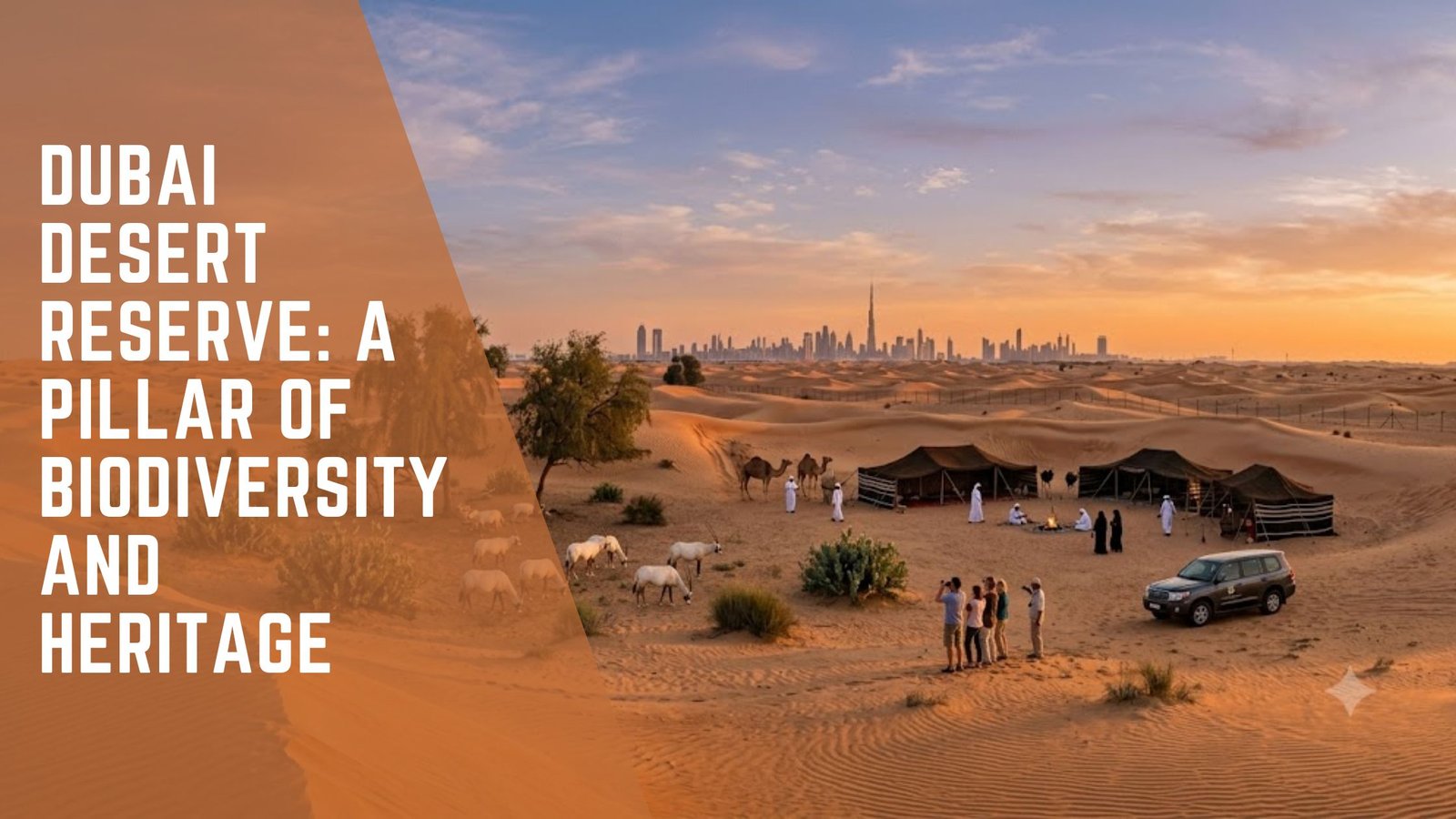

Dubai Desert Conservation Reserve: A Bastion of Biodiversity
Spanning 225 square kilometers, the Dubai Desert Conservation Reserve (DDCR) stands as a critical component of the United Arab Emirates’ efforts to preserve its unique desert ecosystem. This vast expanse, covering about five percent of Dubai’s territory, is a sanctuary for an astonishing array of wildlife and plant species, reflecting Dubai’s commitment to environmental sustainability and biodiversity.
Rich Ecosystem and Diverse Habitats
The DDCR is home to 562 species, offering a diverse habitat that includes sand dunes, gravel plains, and ghaf woodlands. Such varied landscapes provide the necessary conditions for a wide range of flora and fauna, with 142 bird species, 22 mammals, 28 reptiles, 298 invertebrates, and 72 plant species thriving within its borders. These habitats are essential for maintaining the ecological balance of the desert environment, playing a pivotal role in the region’s biodiversity.
Strategic Environmental Investment
According to Ahmed Mohammed bin Thani, Director-General of the Dubai Environment and Climate Change Authority (DECCA), the conservation efforts in the DDCR are a cornerstone of Dubai’s environmental strategy. “Nature reserves represent a long-term investment in the emirate’s natural capital,” he explained. These efforts not only protect wildlife but also bolster ecosystems against climate change, aligning with broader sustainability objectives for future generations.
Safeguarding Natural Heritage
The DDCR serves as a guardian of UAE’s natural heritage, housing prominent species such as the Arabian oryx, Arabian sand gazelle, and mountain gazelle. Birdlife in the reserve includes the houbara bustard, lappet-faced vulture, and eagle owl. Additionally, species of regional significance like Gordon’s wildcat and the Egyptian spiny-tailed lizard find refuge here, underscoring the reserve’s scientific and ecological importance.
Scientific Monitoring and Conservation Programs
Desert ecosystems, characterized by limited rainfall and high temperatures, require meticulous scientific oversight and conservation efforts. The DECCA spearheads various initiatives to protect and enhance native species populations, focusing on breeding and habitat management, particularly for species like the Arabian oryx, Arabian sand gazelle, and houbara bustard. These programs are strengthened by comprehensive biodiversity monitoring, including field surveys and tracking in collaboration with research institutions.
Sustainable Ecotourism Initiatives
Beyond its conservation role, the DDCR exemplifies sustainable ecotourism, offering visitors carefully managed experiences that protect sensitive environments. These initiatives aim to elevate awareness about desert ecosystems and encourage community involvement in wildlife preservation. By aligning tourism with environmental controls, the reserve balances public engagement with ecological protection.
Conclusion
The Dubai Desert Conservation Reserve stands as a testament to Dubai’s dedication to preserving its natural heritage and biodiversity. As a model of conservation, it integrates environmental protection with public education and sustainable tourism, ensuring that the desert’s unique ecosystems are safeguarded for generations to come.