
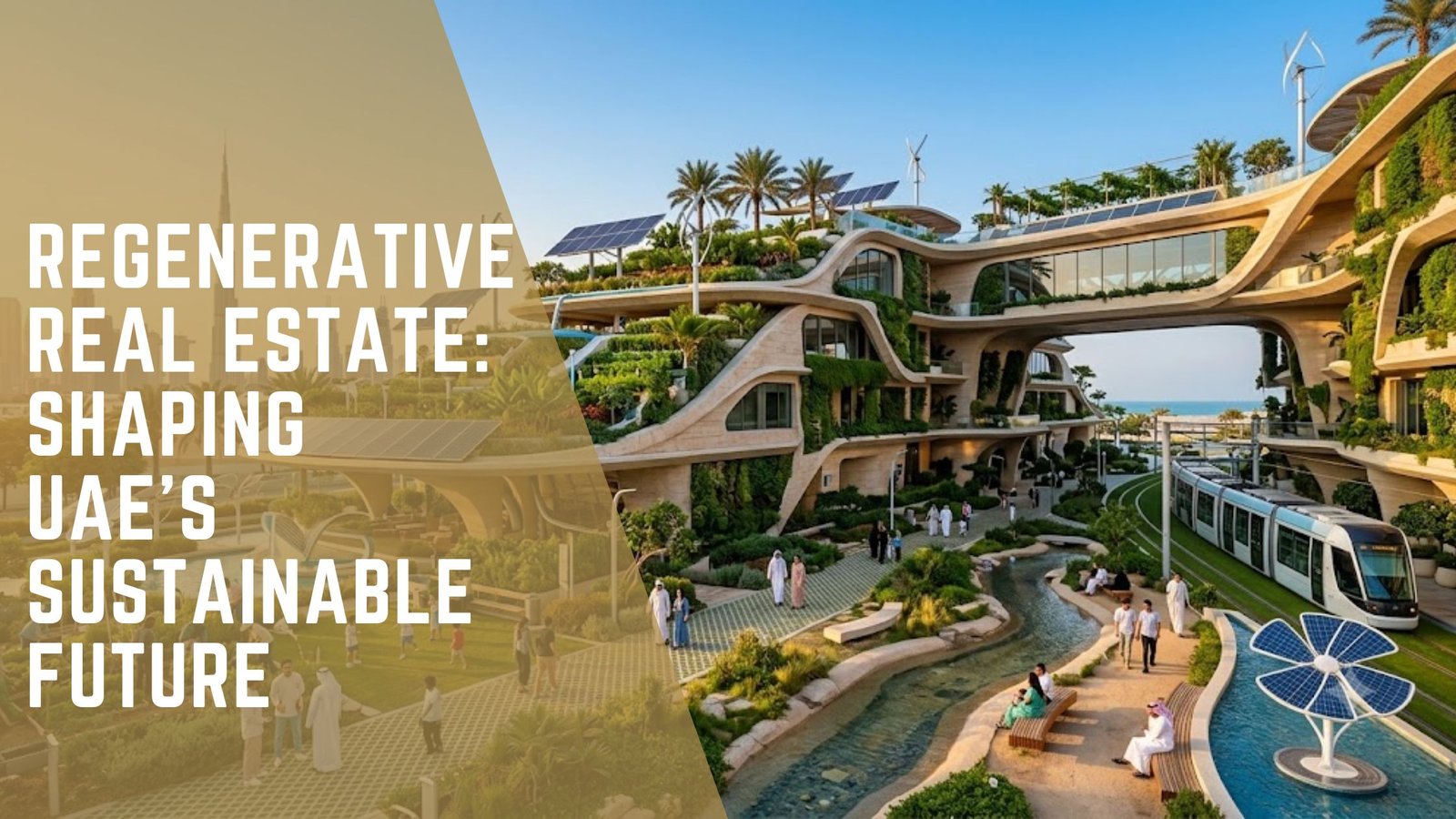

As the global community intensifies its focus on sustainability, the United Arab Emirates is spearheading a transformative approach in the real estate sector known as regenerative development. This innovative concept extends beyond traditional sustainable practices, aiming to harmonize human health, environmental systems, and community well-being in building design and construction.
Prioritizing Nature in Residential Development
Regenerative real estate redefines how buildings integrate with natural surroundings, moving beyond merely reducing ecological footprints. This shift is driven by evolving consumer expectations, as evidenced by Knight Frank’s research, indicating that high-net-worth individuals seeking property in Dubai increasingly value proximity to natural spaces. Such preferences are transforming nature from a mere amenity into a core aspect of residential quality and long-term property value.
Integrating Health into Building Performance
Traditional metrics for assessing building performance have focused on energy and water efficiency, as well as emission levels. However, regenerative development expands these criteria to encompass indoor environmental quality, including air and water purity, thermal comfort, and access to natural light and greenery. Dubai’s EYWA Tree of Life project exemplifies this approach, incorporating advanced air filtration, water purification systems, non-toxic materials, and biophilic design to promote healthier living environments. This trend aligns with the UAE’s wellness real estate sector, which is projected to reach a value of USD 14.6 billion by 2025.
Resource Efficiency as a Design Principle
With the built environment responsible for approximately 15% of global freshwater use, resource efficiency is becoming a cornerstone of regenerative real estate. This is particularly pertinent in the Middle East, where water scarcity is a pressing issue. The World Green Building Council highlights that cement and steel production are major contributors to emissions, while construction generates significant waste. Regenerative strategies address these challenges through the careful selection of materials, promoting reuse, and specifying low-carbon alternatives. Research by the Rocky Mountain Institute suggests that such strategies can reduce upfront embodied carbon by 19% to 46%, often with negligible cost increases.
Ensuring Long-term Value Through Adaptability
Regenerative real estate is characterized by its adaptability over time, ensuring buildings remain relevant as climate conditions, technologies, and resident needs evolve. In the MENA region, cooling demands account for nearly half of peak electricity use, underscoring the need for climate-responsive design. Buildings designed for adaptive reuse not only preserve architectural integrity but also extend their structural lifespan and minimize environmental impact. This adaptability ensures that regenerative buildings continue to serve their communities effectively, maintaining their value and relevance for decades.
In conclusion, regenerative real estate represents a paradigm shift in the UAE’s development landscape, emphasizing the integration of environmental stewardship, human health, and community resilience. As this approach gains momentum, it promises to redefine the future of urban living, setting a new standard for sustainable development worldwide.