
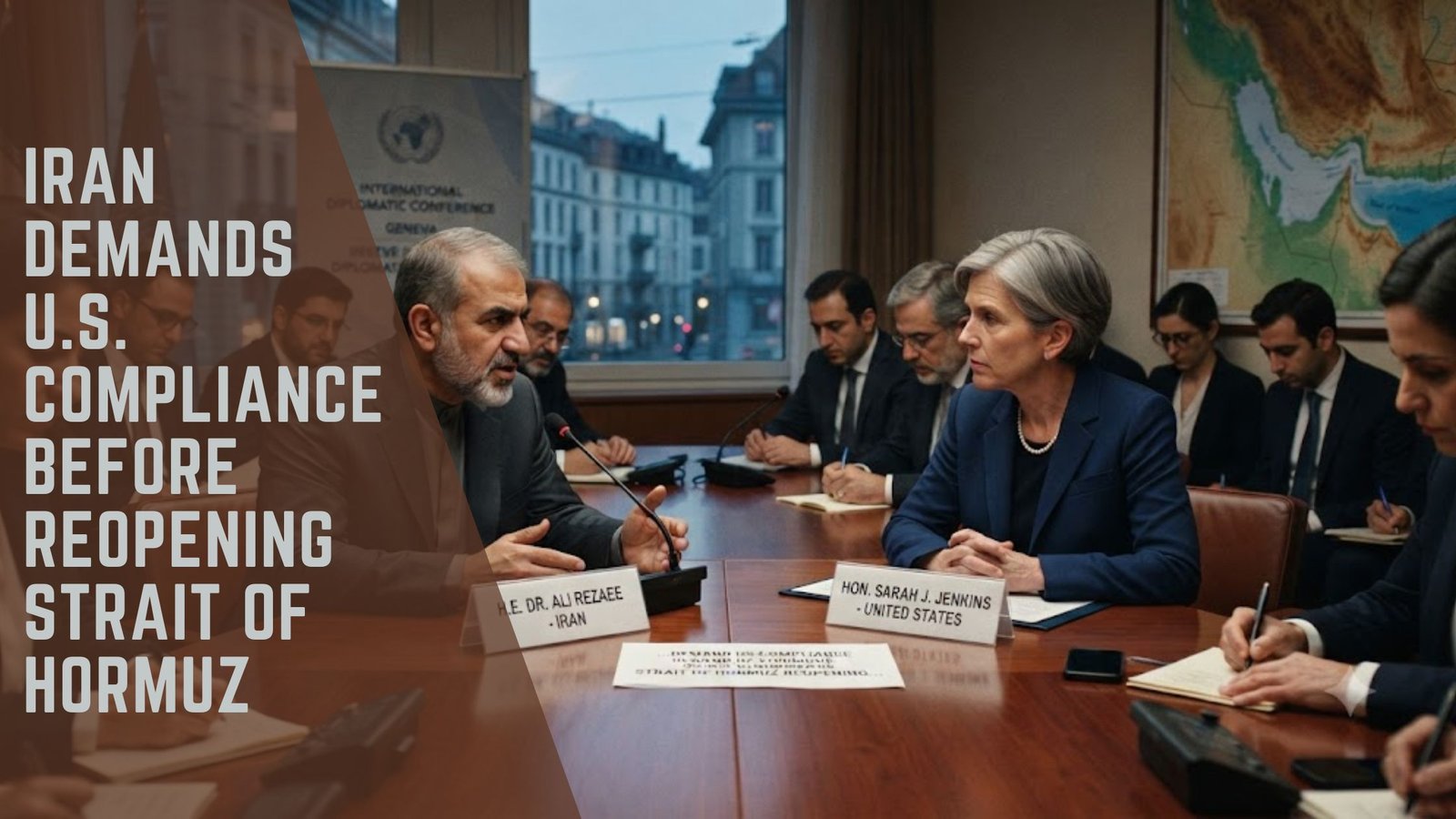

Iran’s Strategic Move in the Strait of Hormuz
In a significant geopolitical development, Iran has declared that the Strait of Hormuz will remain inaccessible until certain conditions are met by the United States. This statement was made by Iran’s parliament speaker, Mohammad Baqer Qalibaf, as reported by the semi-official Fars news agency.
Strategic Importance of the Strait
The Strait of Hormuz is a critical maritime passage, serving as a gateway for nearly a fifth of the world’s oil trade. Its closure could have substantial implications for global energy markets and economic stability. Iran’s decision to keep the strait closed underscores the country’s leverage in this vital region.
Iran’s Conditions and Diplomatic Stance
Qalibaf emphasized that Iran’s conditions must be fully met before considering the reopening of the strait. Although specific conditions were not detailed, it is widely speculated that Iran seeks the lifting of U.S. sanctions and a return to commitments under international agreements.
“Iran must both fight and negotiate,” Qalibaf stated, highlighting a dual strategy that combines military readiness with diplomatic engagement. This approach indicates Iran’s intent to exert pressure while remaining open to negotiations.
Military Preparedness and Diplomatic Efforts
Iran’s stance includes maintaining a strong military presence in the region to counteract perceived threats from adversaries. The nation has consistently demonstrated its military capabilities through various drills and strategic deployments.
Meanwhile, diplomatic channels remain active, with Iran seeking to consolidate its battlefield gains through negotiations. This dual approach aims to strengthen Iran’s position both regionally and internationally.
Implications for Global Energy Markets
The closure of the Strait of Hormuz has the potential to disrupt global oil supplies, leading to increased volatility in energy markets. Analysts suggest that prolonged closure could drive up oil prices, affecting economies worldwide.
Countries reliant on oil imports from the Gulf region may need to explore alternative supply routes or increase strategic reserves to mitigate potential shortages.
International Reactions and Future Prospects
The international community is closely monitoring the situation, with calls for diplomatic resolutions to avoid further escalation. The United States, in particular, faces pressure to address Iran’s demands to ensure the free flow of oil through the strait.
Looking ahead, the resolution of this standoff will depend on diplomatic negotiations and potential compromises. The involvement of international mediators could play a crucial role in facilitating dialogue between the concerned parties.