

GCC Industrial Sector Experiences Remarkable Investment Growth
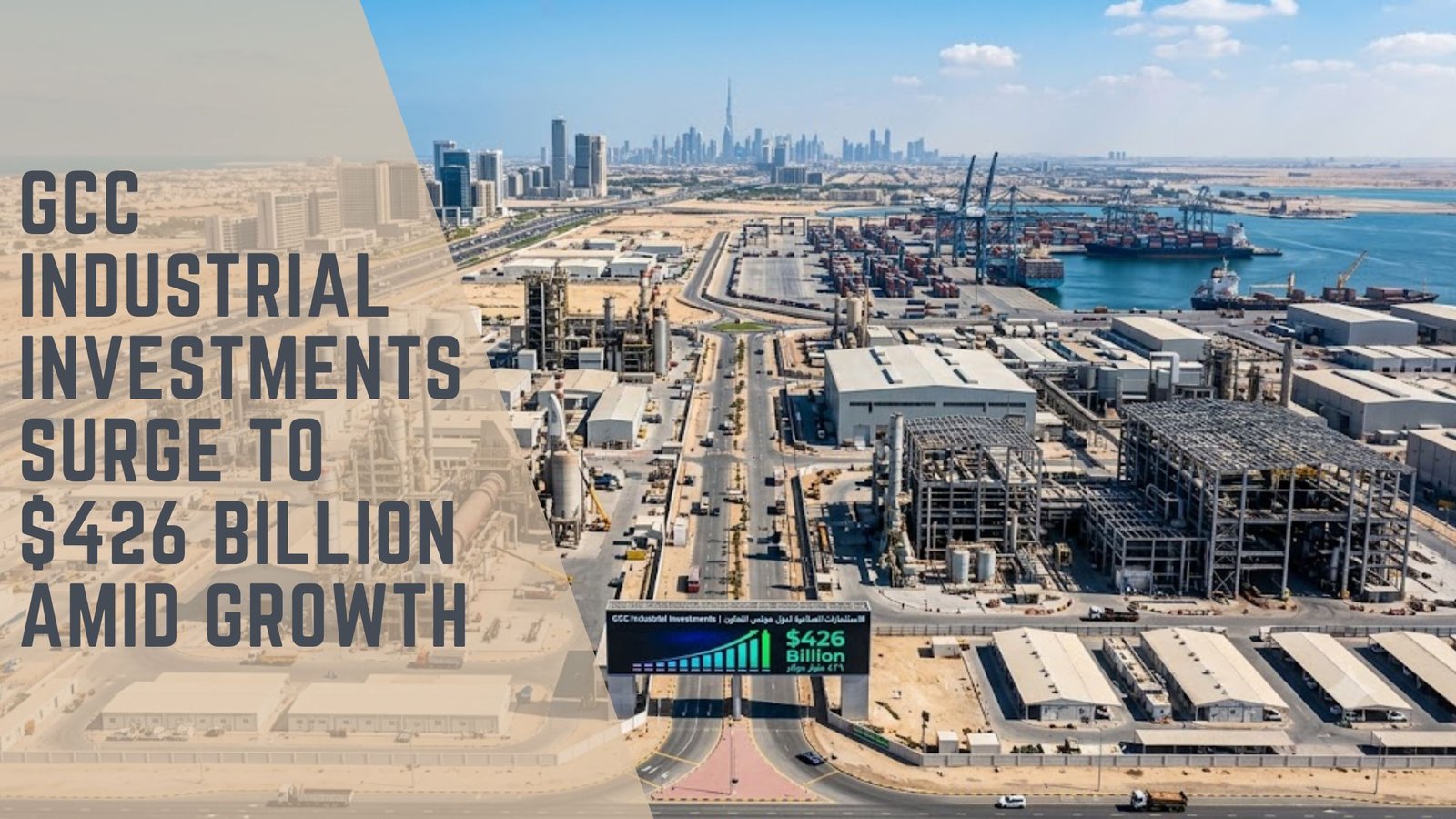
The industrial landscape of the Gulf Cooperation Council (GCC) has witnessed a significant upsurge, with investments reaching an impressive $426 billion. According to data from the Statistical Centre for the Cooperation Council for the Arab States of the Gulf (GCC-Stat), this burgeoning sector now boasts nearly 22,000 factories, reflecting the region’s strategic focus on industrial expansion and diversification.
Economic Impact and Employment
The industrial sector’s contribution to the GCC’s gross domestic product (GDP) stood at approximately 13.0 percent in 2025. This underscores the pivotal role that manufacturing plays in enhancing the economic frameworks of the member states. Additionally, the sector employs over 1.7 million individuals, marking it as a significant source of employment within the region. The demand for skilled and semi-skilled labor continues to rise, paralleling the industrial growth and diversification efforts.
Key Industries Driving Investment
Investment within the GCC’s industrial sector is heavily concentrated in several key industries. Notably, plastics, refined petroleum products, aluminium, gaseous fuels, and iron and steel constitute around 40 percent of all industrial investments. These industries are foundational to the region’s manufacturing capabilities, forming critical components of the industrial value chains and contributing to the integration within the GCC’s economic structures.
Trade Dynamics and Export Contributions
Industrial products are a cornerstone of the GCC’s export economy, accounting for roughly 69 percent of total exports. The region’s key exports include petroleum gases and hydrocarbons, petroleum oils, motor vehicles, organic compounds, aluminium, ships and boats, and electrical machinery and equipment. This robust export portfolio highlights the GCC’s strategic positioning in global trade, leveraging its industrial prowess to penetrate international markets.
Import Patterns and International Relations
China emerges as the GCC’s largest source of imports, contributing to about 20 percent of the region’s total imports. Major imported items include equipment and machinery, motor vehicles, pharmaceutical products, iron and steel, and plastics. The diversification of import sources indicates a strategic approach to securing essential goods and technologies from a broad spectrum of international markets, thereby reducing dependence on any single country.
Strategies for Sustained Growth
The indicators of industrial growth and diversification illustrate the varying scales of industrial activity across the GCC member states. This variation is driving concerted efforts to enhance production capacities, develop robust value chains, and foster greater industrial integration within the GCC. There is a clear focus on localizing industries to not only meet regional demands but also to enhance the competitiveness of Gulf products on a global scale.
Future Outlook
As the GCC continues to expand its industrial base, focus will likely remain on innovation, technological adoption, and sustainable practices to ensure long-term growth and competitiveness. The ongoing efforts to integrate more deeply into global value chains and increase the non-oil economic contributions reflect a strategic vision for the future of the GCC economies.