
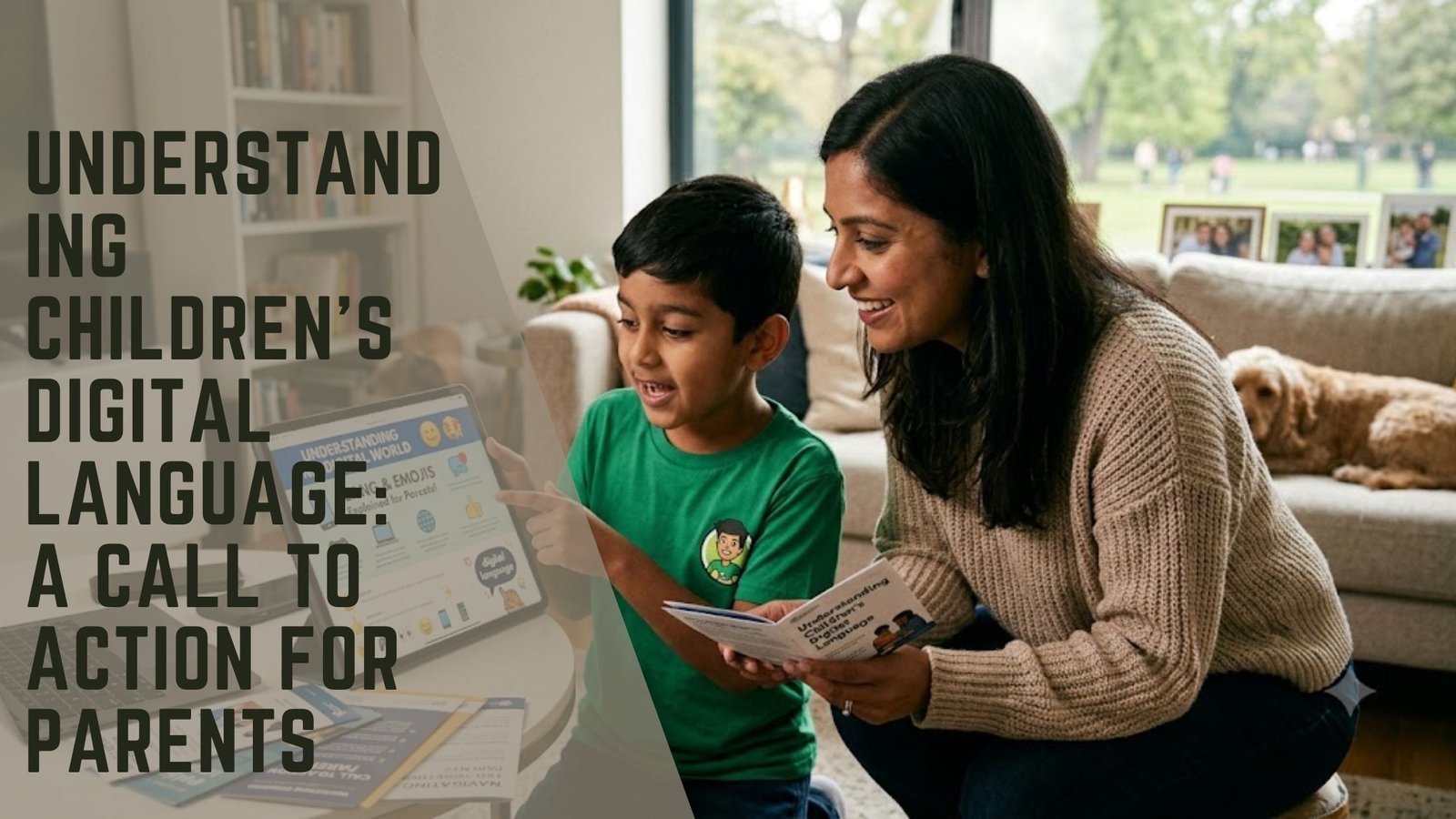

Bridging the Digital Communication Gap Between Parents and Children
Parents today face the challenge of understanding the evolving digital language their children use online. The Child Safety Organisation has issued a strong advisory for parents to become more conversant with the digital expressions their children use every day. This call to action is driven by the nuanced meanings that emojis, abbreviations, memes, and social media trends can hold, which may often be misunderstood by adults.
Understanding the Importance of Digital Language
Digital communication among youth is heavily influenced by a mix of emojis, slang, and memes that can sometimes convey messages beyond their apparent meaning. While these expressions often serve as harmless forms of communication, they can also carry hidden risks such as bullying, inappropriate behavior, or discriminatory undertones. Misinterpretation of these signals by parents can lead to missed opportunities to intervene in potentially harmful situations.
Statistics Highlight the Digital Habits of Children
According to a report released by UAE authorities in January 2026, a staggering 97% of children aged seven and older are regular users of digital devices. Furthermore, one in three children has encountered strangers online, underscoring the urgent need for parental vigilance in the digital space. This data emphasizes the critical role parents play in safeguarding their children from online threats.
Legal and Regulatory Measures in the UAE
In response to these challenges, the UAE has enacted the Child Digital Safety Law, enhancing oversight across more than 4,000 digital platforms. These legislative measures are designed to provide a safer online environment for children. However, the effectiveness of these measures greatly depends on parents’ active participation in understanding and monitoring their children’s online interactions and the content they engage with.
The Role of Parents in Digital Literacy
The Child Safety Organisation stresses that parents need to keep pace with the fast-evolving digital world their children inhabit. This involves familiarizing themselves with the platforms their children use, the content they consume, and the individuals they interact with online. Regularly checking the age appropriateness of electronic games and online content is also crucial to ensure it aligns with their child’s developmental stage.
Resources and Strategies for Parents
Parents are encouraged to utilize reliable online safety resources to stay informed about new slang, emojis, and social media trends. The meanings of these digital expressions can vary significantly across platforms, making ongoing education essential. Engaging in open discussions with children about unfamiliar expressions can foster understanding and help parents identify when interactions may involve manipulation or inappropriate requests.
Building Trust Through Understanding
Dr. Hanadi Saleh Al Yafei, Director General of the Child Safety Organisation, highlights the importance of understanding over mere monitoring. “We cannot protect children from risks we do not recognize. Understanding their digital language is crucial,” she states. The organisation advocates for a balanced approach where digital awareness strengthens familial trust rather than fostering an environment of surveillance.
The Path Forward: Continuous Learning
To effectively keep children safe, parents, educators, and caregivers must embrace digital literacy as a continuous process integral to family communication. This approach ensures that adults remain informed and capable of recognizing potential risks, ultimately fostering a safer online experience for their children.