

AI-Enabled Vehicles Enhance Safety Protocols
In a groundbreaking development in autonomous vehicle technology, a Waymo self-driving car recently demonstrated its ability to enhance public safety by autonomously alerting the police when it detected a firearm within the vehicle. This incident highlights the potential of artificial intelligence (AI) in transforming transportation into a more secure and responsive service.
Incident Overview
The event unfolded when the AI system within the Waymo car identified the presence of a gun with its passengers. Acting swiftly, the vehicle’s system halted the journey, locked the doors, and contacted law enforcement officials. This proactive measure ensured the situation was contained and monitored until authorities arrived, showcasing the potential life-saving capabilities of self-driving technology.
The Rise of Intelligent Safety Features
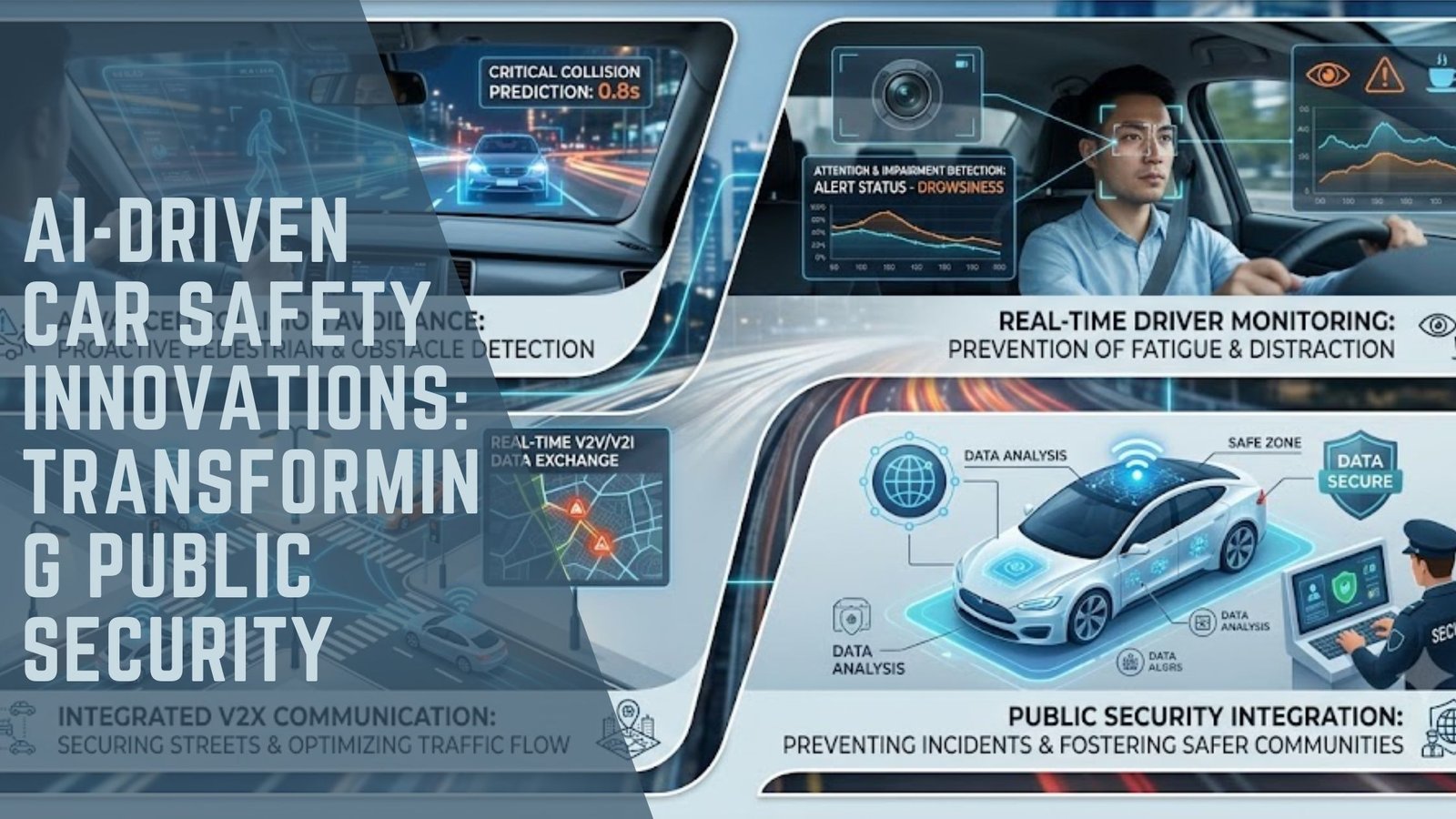
The incident underscores a broader trend in the automotive industry, where AI is being leveraged to introduce innovative safety features. These advancements promise not only to protect passengers but also to ensure the safety of the general public. Among the suggested enhancements are potential modes to combat impaired driving due to alcohol or drugs, where a vehicle would cease operation and notify authorities if passengers appear unfit to continue the journey.
The Concept of ‘Dad Mode’
One of the more imaginative proposals emerging from these technological strides is the concept of ‘Dad Mode’. This speculative feature would be designed to prevent young couples from venturing to potentially unsafe or secluded areas. In practice, if the vehicle’s sensors detected that the occupants were too close for comfort, it could trigger a series of non-negotiable safety protocols. These might include playing gospel music, sounding the horn loudly, redirecting the car to head straight home, and even broadcasting a live video feed to parents. Such measures could serve as a deterrent to risky behavior among young passengers.
Impact on Society and Future Developments
The integration of AI in autonomous vehicles is poised to significantly alter societal norms around safety and personal responsibility. As technology continues to evolve, these vehicles could become crucial in reducing road incidents caused by human error or negligence. Moreover, the ability of AI to make real-time decisions that enhance passenger and public safety could lead to widespread adoption and trust in autonomous transportation systems.
Challenges and Ethical Considerations
Despite the promising nature of these advancements, there are challenges and ethical considerations to address. Privacy concerns, the potential for AI errors, and the balance between safety and autonomy must be carefully navigated to ensure the responsible deployment of these technologies. Regulators and developers alike will need to collaborate to create frameworks that protect citizens while fostering innovation.
Conclusion
As AI continues to integrate into the fabric of daily life, its application in autonomous vehicles serves as a testament to its transformative power. The incident with the Waymo car and the potential introduction of features like ‘Dad Mode’ represent just the beginning of a new era in transportation safety. The ongoing dialogue between technology developers, policymakers, and the public will shape the future of these innovations, ensuring they are both effective and ethical.