
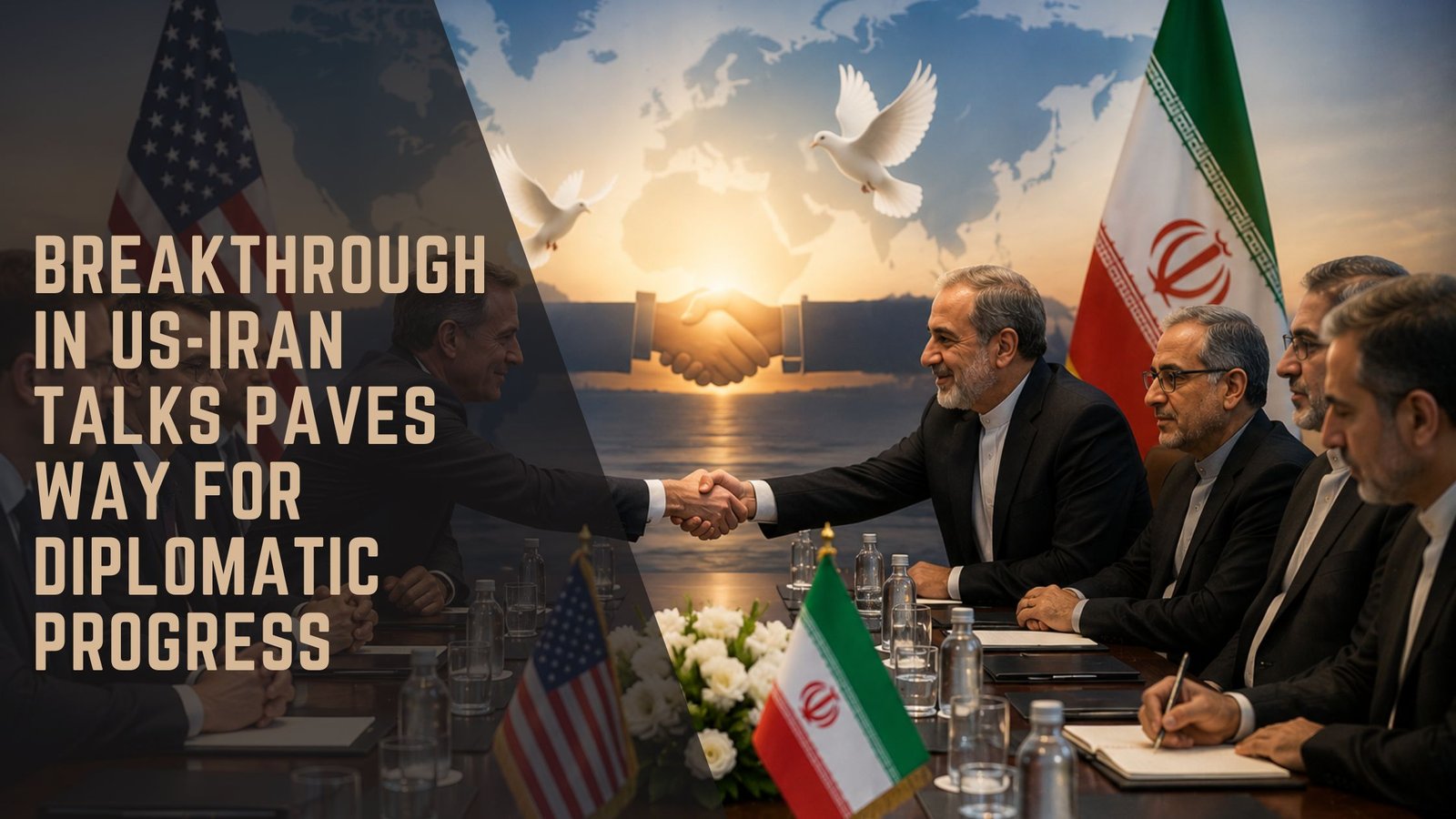

Marathon Negotiations Mark Potential Turning Point
In a significant development, senior Iranian diplomats departed from Switzerland on Monday following extensive discussions with the United States. This marathon session, lasting several days, was described by mediators as a positive step towards a comprehensive US-Iran agreement. Following the talks, the host nation confirmed that technical discussions are slated to commence immediately, marking the onset of a 60-day window aimed at reaching a long-term resolution.
Foundation for Negotiations
Last week, a memorandum of understanding was signed between Tehran and Washington, setting the stage for these negotiations. This agreement followed a protracted 40-day conflict, succeeded by weeks of a tenuous ceasefire. The negotiation aims to address some of the most persistent issues in US-Iran relations, particularly Iran’s nuclear ambitions and uranium enrichment activities. Iran’s Foreign Ministry spokesman, Esmaeil Baqaei, noted that while nuclear discussions briefly occurred, the details have yet to be explored.
Regional Tensions: The Lebanon Factor
The ongoing conflict in Lebanon, involving Israel and Iran’s ally Hizbollah, poses a threat to the ceasefire. Despite Israel’s concerns about the recent deal, which has led them to maintain a military presence in southern Lebanon, reports suggest a relative calm has prevailed since Sunday. The US and Iran have initiated communication channels to address the situation in Lebanon and to ensure the Strait of Hormuz remains open, a crucial passage for global oil and gas shipments.
Strategic Importance of the Strait of Hormuz
During the conflict, Iran temporarily closed the Strait of Hormuz, a move that sent economic shockwaves globally. It appears that Iran is leveraging the waterway as a bargaining chip in negotiations, aiming for sanctions relief and the unfreezing of assets. Mediators from Pakistan and Qatar announced that the parties have agreed on a “roadmap towards a final deal within 60 days,” with ongoing technical discussions to take place at the Swiss resort of Burgenstock.
Progress and Mediation Efforts
According to mediators, significant progress includes establishing mechanisms for further technical talks and a contact channel to prevent incidents in the Strait of Hormuz. A “de-confliction cell” involving the parties and Lebanese authorities has also been agreed upon to avert renewed hostilities. Iranian Foreign Minister Abbas Araghchi praised the mediation efforts, highlighting the lifting of blockades, waiving of oil and petrochemical export restrictions, and the initiation of major reconstruction plans for Iran.
Reactions and Market Impact
The Swiss Foreign Ministry confirmed that the talks created favorable conditions for new technical discussions. While there was no immediate response from US negotiators, the news positively influenced markets, with crude prices dropping and Asian stocks experiencing gains. Despite a rocky start to the negotiations, highlighted by US President Donald Trump’s threats towards Iran, the talks have been lauded as “historic” by US Vice President JD Vance, who leads the American delegation.
Looking Forward
The negotiations represent a critical juncture in US-Iran relations, with potential implications for regional stability and international diplomacy. As both sides navigate the complexities of these talks, the world watches closely, hopeful for a resolution that could reshape Middle Eastern geopolitics.