
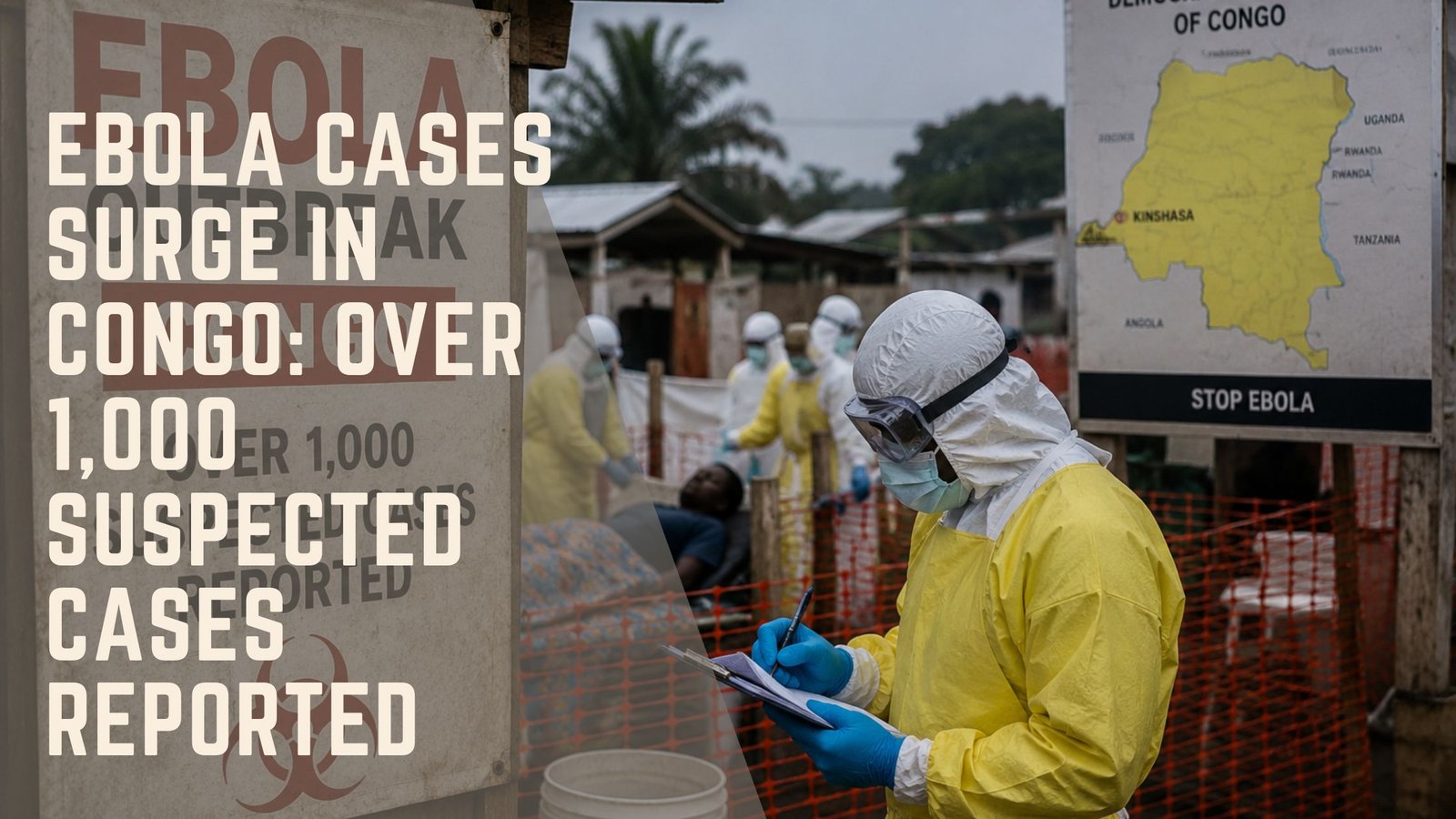

Health Crisis Escalates as Suspected Ebola Cases Exceed 1,000 in Congo
The Democratic Republic of Congo is grappling with a significant health crisis as the number of suspected Ebola cases has surged to 1,028, according to Congolese Health Minister Samuel Roger Kamba. This marks a substantial increase from 906 cases reported just a day prior. The number of confirmed cases currently stands at 225, highlighting the urgent need for intensified containment measures.
Zambia Steps Up Preventive Measures Amid High-Risk Alert
In light of the escalating situation in the Congo, Zambia has heightened its vigilance by investigating and subsequently clearing two suspected Ebola cases. The Zambian health ministry has implemented robust screening and surveillance protocols across its borders to mitigate the risk of the virus spreading into the country. These measures are particularly critical given the proximity to the Congo outbreak, which involves the rare and concerning Bundibugyo strain of Ebola.
Understanding the Bundibugyo Strain: A Cause for Global Concern
The Bundibugyo strain, identified nearly two decades ago in a Ugandan province of the same name, poses a unique challenge due to its initial stealthy spread in densely populated regions. The strain’s ability to remain undetected for extended periods complicates efforts to trace and isolate infected individuals and their contacts. This characteristic has alarmed health experts worldwide, given the potential for rapid and widespread transmission.
Symptoms and Transmission: What You Need to Know
According to the World Health Organization, Ebola viruses typically begin with symptoms resembling the flu, including fever, fatigue, malaise, muscle pain, headache, and sore throat, which can manifest abruptly. As the disease progresses, it leads to severe symptoms such as vomiting, diarrhea, and eventually internal and external bleeding, culminating in multi-organ failure if not promptly treated.
Regional Implications: Cases Extend Beyond Congo’s Borders
The outbreak’s reach has extended beyond Congo, with cases also reported in neighboring Uganda. This transnational spread underscores the critical need for coordinated international efforts to curb the virus’s transmission. Regional health authorities are on high alert, monitoring the situation closely and collaborating with global health organizations to implement effective response strategies.
International Response: Global Health Agencies Mobilize Support
In response to the growing crisis, global health agencies, including the World Health Organization, are mobilizing resources to assist affected regions. These efforts include providing medical supplies, deploying healthcare workers, and supporting local health systems in managing and containing the outbreak. The international community’s role is pivotal in preventing the further spread of Ebola and mitigating its impact on affected populations.
Conclusion: The Path Forward
As the situation unfolds, it remains crucial for affected countries and global health entities to maintain vigilant surveillance, enhance preventive measures, and ensure rapid response capabilities. The current outbreak serves as a stark reminder of the persistent threat posed by infectious diseases and the importance of sustained global cooperation in addressing public health emergencies.