
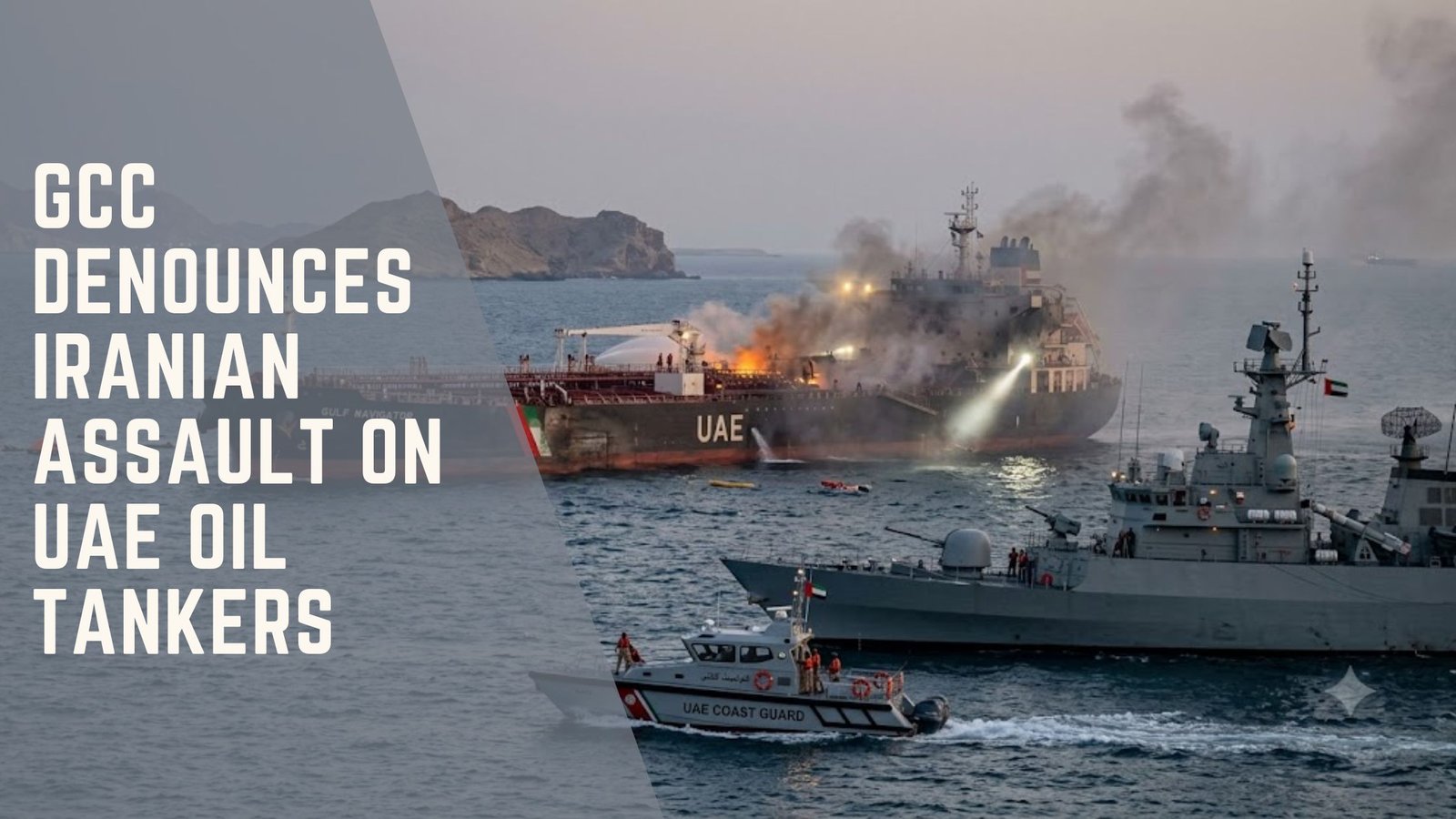

GCC Condemns Iranian Aggression Against UAE Vessels
The Gulf Cooperation Council (GCC) has issued a strong condemnation of Iran’s recent attack on two oil tankers, the Mombasa and Al Bahiyah, owned by the United Arab Emirates (UAE). This assault resulted in the tragic death of a crew member and left several others injured, prompting widespread concern over maritime security in the region.
Violation of International Law
Jasem Mohamed Albudaiwi, the Secretary-General of the GCC, described the attack as a flagrant breach of international law. He emphasized that such acts undermine the principles that govern the freedom of maritime navigation, which are crucial for maintaining global trade routes.
Albudaiwi highlighted that the attack contravenes United Nations Security Council Resolution 2817, which underscores the importance of safeguarding international shipping lanes and prohibits any form of aggression against commercial vessels. The GCC’s stance is clear: these actions are unacceptable and pose a significant threat to international maritime operations.
Support for the UAE
The GCC has expressed unwavering solidarity with the UAE, affirming its commitment to supporting any measures the nation takes to ensure the safety and security of its maritime interests. Albudaiwi reiterated the council’s dedication to upholding the sovereignty of its member states and protecting their critical infrastructure.
This incident has heightened tensions in the region, prompting calls for increased vigilance and cooperation among Gulf states to deter future threats. The GCC’s unified response underscores the collective resolve to address regional security challenges.
Call for International Action
In response to this aggressive act, Albudaiwi urged the international community, particularly the United Nations Security Council, to take decisive action. He called for a firm and unified international stance to hold Iran accountable for its repeated violations and to prevent such incidents from occurring in the future.
The Secretary-General stressed the need for global cooperation to secure maritime routes and safeguard the global economy. He called for immediate measures to ensure the protection of international navigation and to bring those responsible for these attacks to justice.
Impact on Regional Stability
The attack on the UAE oil tankers has broader implications for regional stability and economic security. The Gulf region is a critical artery for global energy supplies, and any disruption can have far-reaching consequences for international markets. The GCC’s response reflects the urgency of addressing threats to this vital sector.
Analysts have noted that escalating tensions in the Gulf could lead to increased insurance premiums for shipping companies and potentially disrupt oil supply chains. The international community’s response will be crucial in mitigating these risks and ensuring the continued flow of resources through this strategic region.
Condolences and Support
Beyond the political and economic ramifications, the GCC has expressed heartfelt condolences to the family of the deceased crew member and extended sympathies to those injured in the attack. Albudaiwi conveyed his wishes for a swift recovery for the injured and reaffirmed the council’s commitment to supporting affected families.
This human dimension underscores the real impact of geopolitical conflicts on individuals and communities, highlighting the need for peaceful resolutions and heightened security measures to protect lives and livelihoods.