

Heatwaves Inflict Substantial Economic Damage on Germany
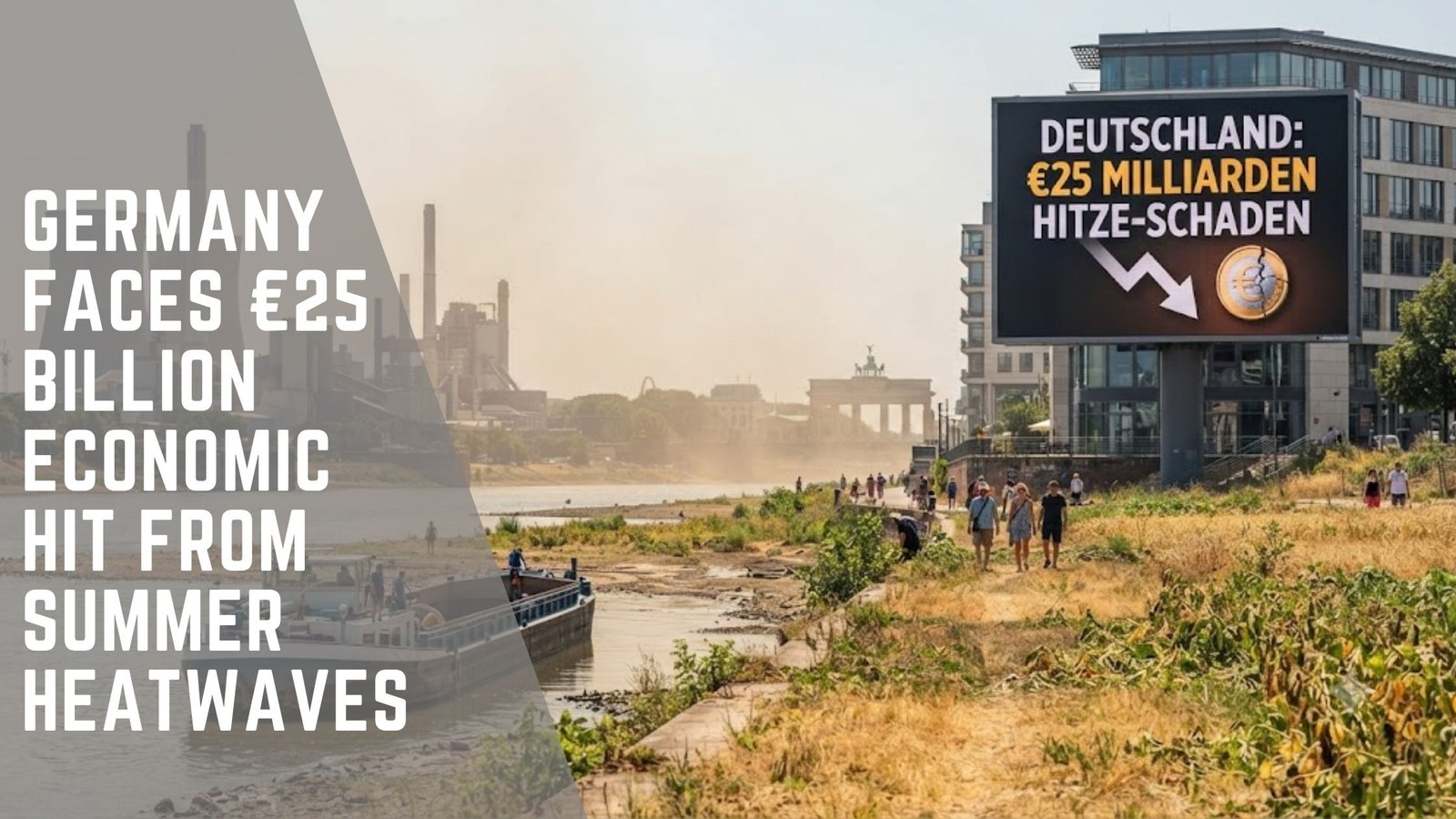
This summer, Germany’s economy took a significant financial hit, losing an estimated €25 billion due to intense heatwaves, as revealed by a study conducted by Allianz and Allianz Trade. The economic downturn was primarily attributed to decreased productivity, increased workplace absenteeism, and extended breaks caused by sweltering conditions.
Record Temperatures and Their Consequences
Germany endured a particularly severe heatwave in late June, with temperatures soaring beyond 42°C for three consecutive days. The extreme heat not only affected public health, with official reports citing approximately 16,000 heat-related fatalities, but also posed significant challenges to agriculture, transportation, and the environment. Wildfires ravaged large areas, crops suffered extensive damage, and lowered river levels disrupted shipping operations, according to Agence France-Presse (AFP).
Comparative Economic Impact Across Europe
Among the 30 European countries included in the Allianz study, Germany recorded the second-highest absolute heat-related economic losses, trailing only Italy, which reported €28 billion in damages. France followed close behind with losses amounting to €20 billion. Cumulatively, the economic toll of heatwaves across these nations reached a staggering €113 billion.
Broader Implications and Future Risks
The study further highlighted the potential economic threats posed by the climatic phenomenon known as El Niño. Experts caution that El Niño could potentially shrink the economic output of 144 economies by as much as €392 billion next year. This scenario is likely to exacerbate existing economic pressures by contributing to further increases in food prices across Europe.
Long-Term Economic Challenges from Climate Change
Allianz experts emphasize that the economic repercussions tied to climate change are anticipated to persist over the coming years. As global temperatures continue to rise and extreme weather events become more frequent, economies worldwide, including Germany’s, must brace for ongoing challenges.
Policy Implications and Strategic Response
In light of these findings, there is an urgent need for comprehensive strategies to mitigate the economic impact of climate change. Policymakers are urged to implement adaptive measures to bolster economic resilience, such as investing in sustainable infrastructure, enhancing emergency preparedness, and promoting energy efficiency.
Moreover, businesses are encouraged to adopt flexible work arrangements and invest in technologies that can help maintain productivity during extreme weather conditions. By taking proactive steps, Germany and other affected nations can better navigate the economic challenges posed by climate change and safeguard their economies against future disruptions.