
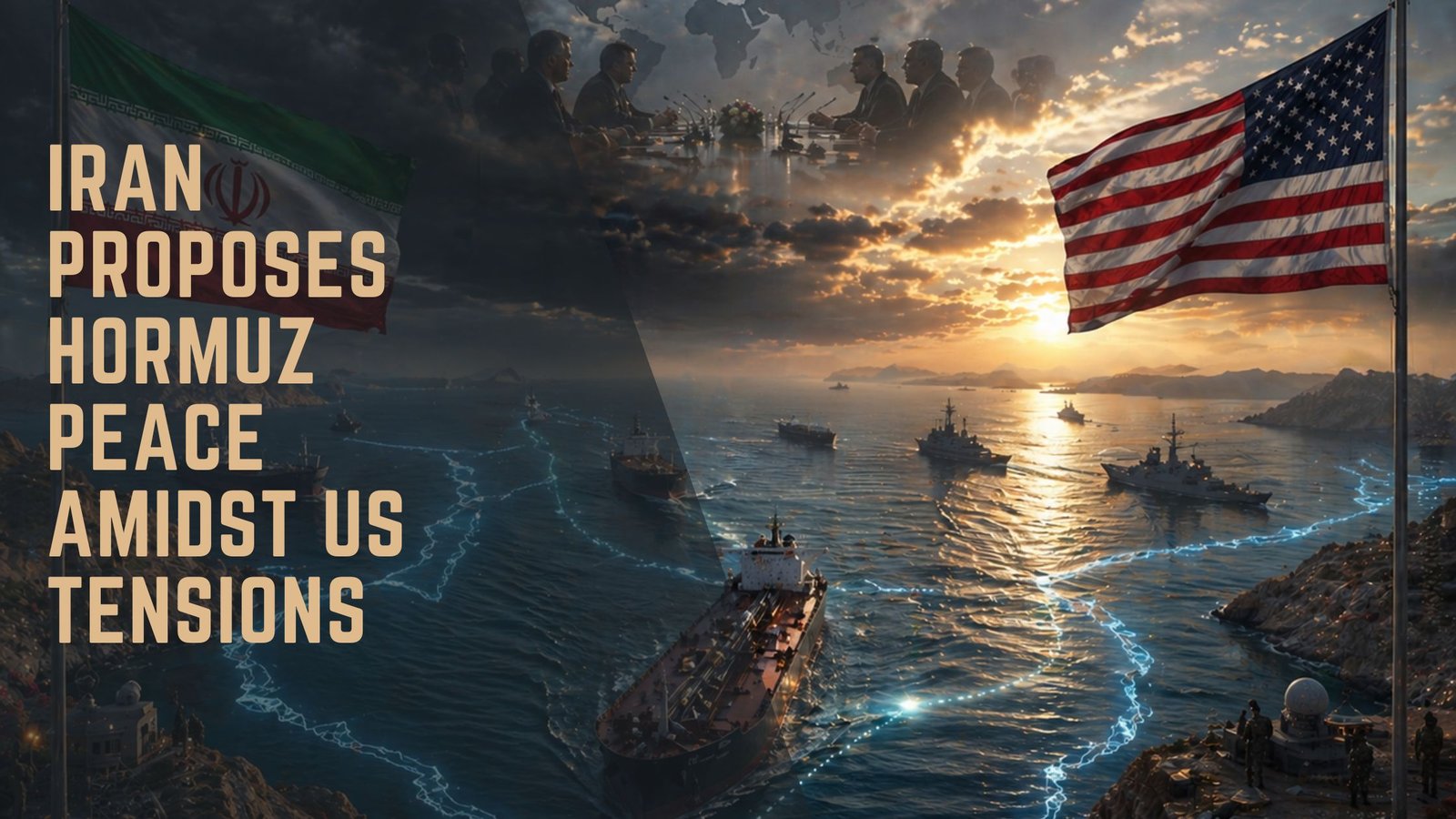

Iran’s Diplomatic Proposal to Ease Strait of Hormuz Tensions
In a strategic diplomatic move, Iran has offered to alleviate its control over the Strait of Hormuz, a crucial maritime passage, without addressing its nuclear ambitions. This proposal was revealed by two anonymous regional officials on Monday. As tensions persist between Tehran and Washington, Iran’s Foreign Minister, Abbas Araghchi, is actively engaging in international dialogues, including a significant visit to Russia.
Iran Seeks End to US Blockade
Alongside the proposal to ease tensions at the Strait of Hormuz, Iran is seeking the United States to lift its blockade on the nation. This initiative was mediated by Pakistan, which has been acting as a diplomatic conduit between the two nations. However, US President Donald Trump, known for his firm stance on Iran’s nuclear program, remains unlikely to endorse this proposal without significant concessions from Tehran regarding its atomic activities.
Geopolitical Implications of the Strait of Hormuz
The Strait of Hormuz, a strategic artery through which approximately 20% of the world’s traded oil transits, has been a focal point of geopolitical contention. Iran’s restriction of movement through the strait and the US’s blockade of Iranian ports have contributed to rising tensions and fluctuating oil prices. As of Monday, Brent crude oil was trading at around $107 per barrel, a marked increase from $72 before the onset of hostilities.
Araghchi’s Diplomatic Tour
Iran’s diplomatic efforts have seen Foreign Minister Araghchi embark on a series of international visits, including stops in Pakistan, Oman, and Russia. These visits underscore Iran’s strategy to gather support and consult with key allies amidst ongoing tensions. In Russia, Araghchi met with President Vladimir Putin to discuss developments related to the regional conflict and explore potential avenues for cooperation.
Challenges in US-Iran Negotiations
Despite Iran’s diplomatic overtures, the path to negotiations remains fraught with challenges. President Trump has expressed skepticism about the current Iranian leadership’s ability to negotiate effectively, citing internal confusion within its political structure. The White House had initially planned to send envoys to Pakistan for direct talks, but this effort was aborted due to perceived lack of progress.
Impact on Global Oil Markets
The ongoing standoff at the Strait of Hormuz continues to influence global oil markets. The restricted flow of oil and natural gas has resulted in stranded tankers and increased oil prices, impacting global energy security. The international community watches closely as diplomatic efforts unfold, hoping for a resolution that stabilizes the region and ensures the free flow of energy resources.
As Iran and the US navigate these complex diplomatic waters, the outcome of these negotiations will have far-reaching implications for regional stability and global economic dynamics.