

Escalating Violence in Gaza: A Closer Look
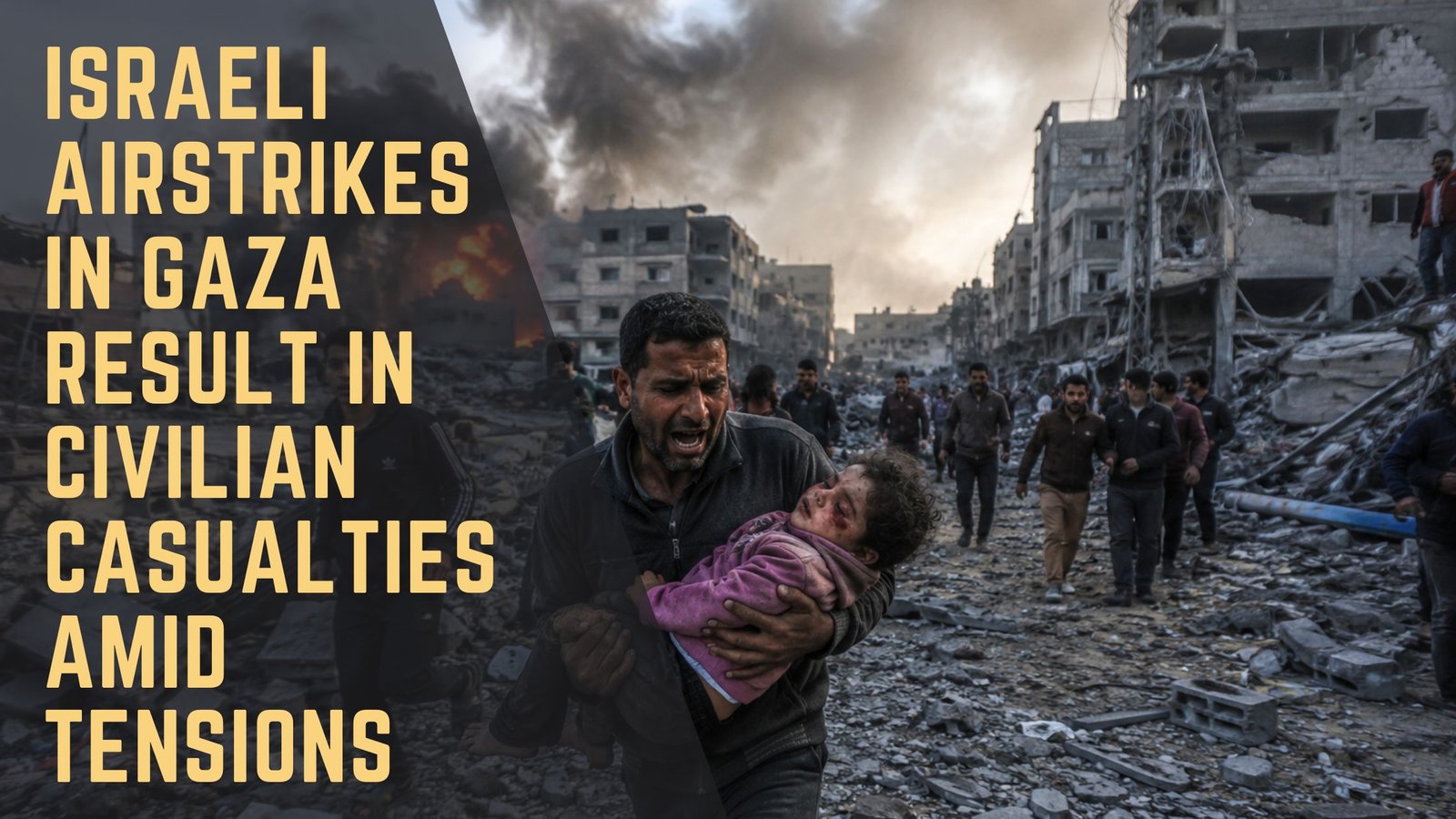
On Saturday, a series of Israeli airstrikes in Gaza resulted in the deaths of five individuals, including four members of a single family. This tragic incident underscores the persistent violence engulfing the Palestinian territory, despite an existing ceasefire agreement. The ongoing hostilities highlight the fragile nature of peace efforts in the region.
Details of the Incident
The deadly airstrike targeted an apartment building in the Sabra neighborhood of Gaza City. Among the victims were members of the Al Safadi family—a husband, wife, and their two daughters—according to the civil defense agency, which operates under Hamas’ administration. In addition to these casualties, 12 other people sustained injuries during the attack.
Gaza City’s Al Shifa hospital confirmed receiving the bodies of the family members, including the two children. Additionally, the hospital reported the arrival of another body following a separate drone strike near a major intersection in the northern part of the city.
Israeli Military’s Silence and Response
Despite inquiries from the media, the Israeli military has yet to provide an official response regarding these incidents. The absence of immediate commentary from Israel underscores the complexities and sensitivities surrounding military actions in the region.
Statistics of the Ceasefire Period
Since the ceasefire took effect on October 10 of the previous year, the Gaza Health Ministry—operating under Hamas and recognized as reliable by the United Nations—reports over 1,012 Palestinian fatalities. In contrast, the Israeli army has acknowledged five casualties in its ranks during the same timeframe.
Challenges in Reporting and Verification
Media coverage from Gaza faces significant challenges due to restrictions and limited access, which impede the independent verification of casualty figures and broader coverage of the ongoing violence. These constraints highlight the difficulties journalists encounter when reporting from conflict zones.
The Broader Context of the Conflict
The recent escalation in violence is part of a broader pattern of hostilities between Israel and Hamas, characterized by frequent allegations of ceasefire violations from both sides. The enduring tension and lack of progress towards a lasting peace agreement reflect the complex and deeply entrenched nature of the conflict.
Efforts to establish a permanent resolution have repeatedly stalled, with both sides accusing each other of undermining peace initiatives. The international community continues to call for restraint and dialogue, emphasizing the need for a sustainable solution to ensure the safety and security of civilians in the region.
International Reactions and Future Implications
Global reactions to the recent violence have varied, with many countries urging both parties to adhere to the ceasefire and engage in constructive dialogue. The ongoing conflict in Gaza remains a focal point of international diplomatic efforts, as world leaders seek to mediate and facilitate peace negotiations.
The future of the Gaza Strip and its inhabitants remains uncertain as long as the cycle of violence persists. The humanitarian situation continues to deteriorate, exacerbating the challenges faced by civilians living in the territory.