

Hospital Collapse in Calabar Sparks Concerns Over Building Safety
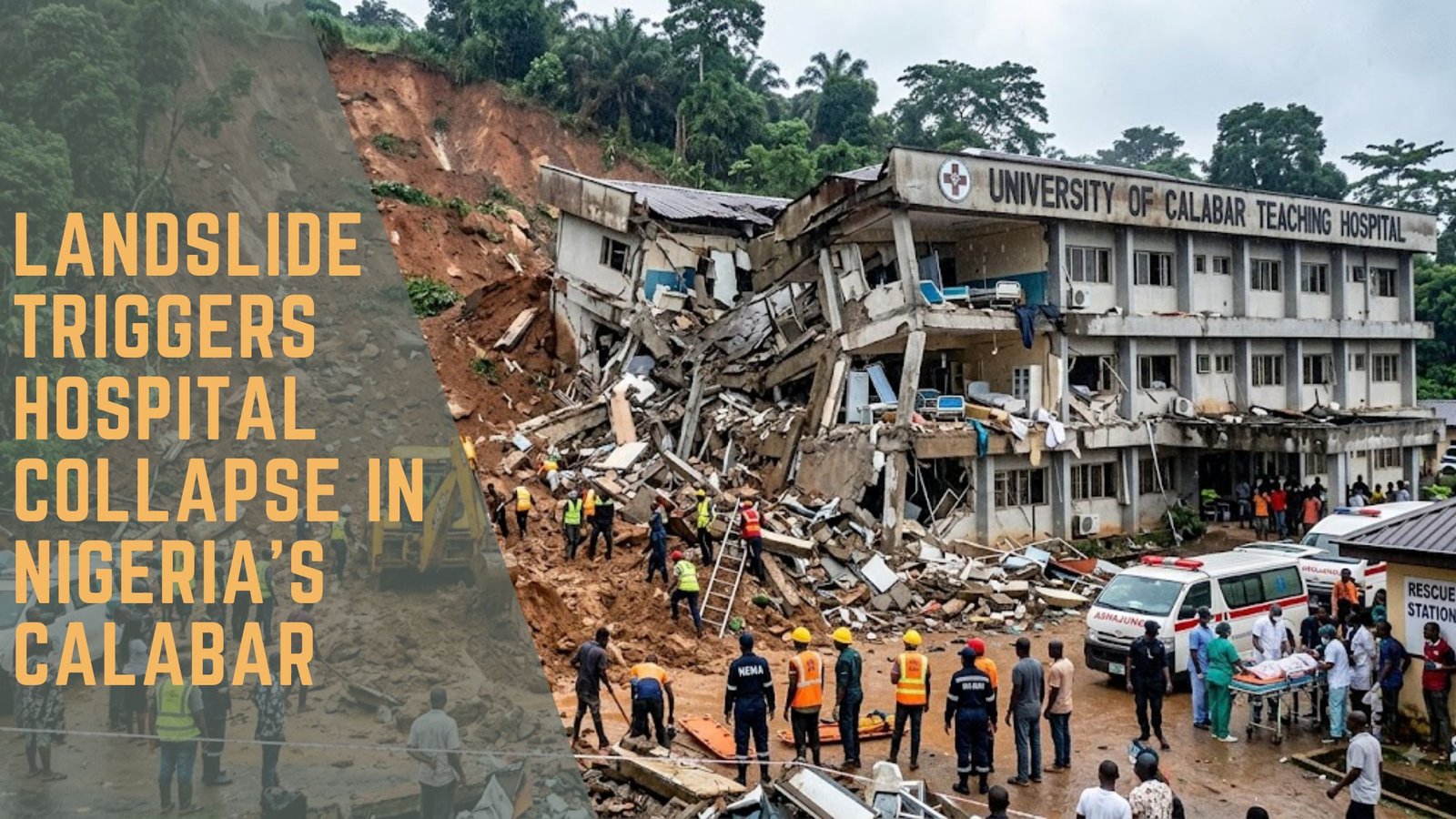
A catastrophic landslide has led to the collapse of a hospital building in Calabar, the capital of Cross River State, Nigeria. The structure, identified as UNICEM Hospital, succumbed to the force of nature following hours of relentless rainfall that intensified soil erosion, ultimately destabilizing the hillside on which it stood. The event underscores the looming threat of constructing buildings on erosion-prone terrains, particularly during the region’s intense rainy season.
Heavy Rainfall and Erosion: A Dangerous Combination
The collapse occurred after the area experienced torrential downpours, which saturated the soil, increasing its water content and reducing stability. These conditions are notorious for causing significant earth movements, such as landslides, which can undermine the foundations of structures. In this instance, the shifting ground beneath UNICEM Hospital critically compromised its integrity, leading to the eventual collapse of the building.
Uncertainty Surrounding Damage and Casualties
As the dust settles, the full extent of the damage remains unclear. Initial reports have not confirmed whether there were any casualties resulting from the collapse. Emergency response teams and local authorities are currently on-site, conducting evaluations to assess structural damage and determine the potential risk to neighboring buildings. The priority is to ensure safety and prevent further incidents in the already vulnerable area.
Seasonal Rainfall and Its Impacts on Southern Nigeria
This incident is part of a broader pattern of natural disasters affecting southern Nigeria, where seasonal rains have been particularly harsh this year. These conditions have exacerbated existing vulnerabilities, including flooding, erosion, and landslides in many regions. The unpredictability and intensity of the weather highlight the urgent need for communities and officials to adopt more rigorous protective measures.
Calls for Stricter Building Regulations and Safety Measures
The collapse of UNICEM Hospital has reignited discussions about the necessity of strengthening building regulations in Nigeria. Experts and public safety advocates are urging for more stringent enforcement of construction standards, especially when planning projects on steep or unstable slopes. There is a pressing need for comprehensive geological assessments before initiating construction to ensure that potential risks are adequately mitigated.
Furthermore, the incident has highlighted the critical importance of implementing effective drainage systems to manage heavy rainfall and prevent erosion. Proper water management infrastructure could significantly reduce the risks posed by severe weather events, which are becoming increasingly common due to climate change.
Efforts to Improve Infrastructure Resilience
In response to the disaster, local government officials are expected to review current building codes and urban planning strategies. The aim is to enhance the resilience of infrastructure against natural disasters. This includes investing in the latest construction technologies and materials that can withstand environmental challenges.
Additionally, community awareness programs are essential to educate residents about the dangers of constructing on hazardous terrains and the importance of disaster preparedness. Such initiatives could play a crucial role in minimizing the impact of similar incidents in the future.
As investigations continue, the incident in Calabar serves as a stark reminder of the need for proactive measures to protect lives and property in vulnerable regions. Authorities must prioritize safety and sustainability to prevent such tragedies from recurring.