
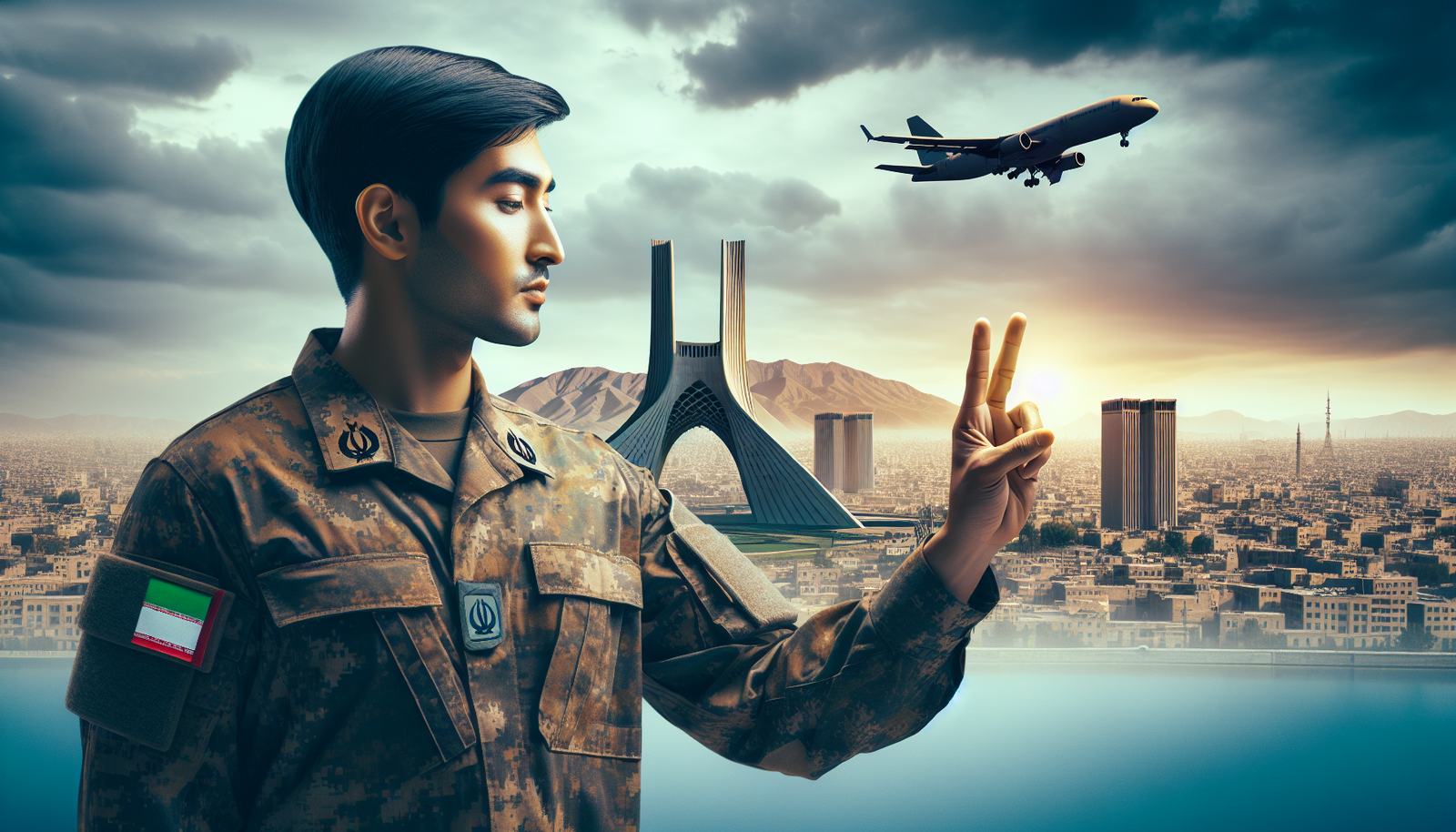

Pakistan’s Military Leadership Engages in Diplomatic Talks
Pakistan’s army chief, Field Marshal Asim Munir, recently completed a significant three-day visit to Tehran. The trip, which concluded on Saturday, aimed at fostering dialogue and cooperation with top Iranian officials to address ongoing regional conflicts in the Middle East. This diplomatic initiative underscores Pakistan’s commitment to facilitating peace and stability in a region fraught with tension.
High-Level Meetings with Iranian Leadership
During his visit, Field Marshal Munir engaged in intensive discussions with key figures in the Iranian government. These high-level meetings are seen as crucial for paving the way towards a collaborative approach to resolving the Middle East’s complex geopolitical challenges. Iran, a pivotal player in the region, represents a significant partner for Pakistan in its peace-building efforts.
The agenda of these meetings focused on various pressing issues, including the escalating situations in neighboring countries and the broader implications for regional security. Both nations expressed their mutual interest in enhancing bilateral ties and working together towards a peaceful resolution of conflicts.
Pakistan’s Role in Regional Peace Efforts
Pakistan has long positioned itself as a mediator in regional disputes, leveraging its strategic location and diplomatic relations with multiple stakeholders. The visit by the army chief to Iran is part of a broader strategy by Islamabad to assert its role as a peace facilitator in the Middle East. This initiative aligns with Pakistan’s foreign policy goal of promoting stability and prosperity across the region.
The military’s statement highlighted Pakistan’s ‘unwavering resolve’ to support dialogues that could lead to a sustainable peace agreement. This commitment is particularly timely given the recent escalations in regional conflicts, which have heightened the urgency for diplomatic interventions.
Upcoming Peace Talks in Islamabad
The army chief’s visit to Tehran sets the stage for anticipated peace talks to be hosted in Islamabad. These discussions are expected to bring together various stakeholders from across the region, aiming to create a framework for lasting peace. Pakistan is poised to play a central role in these negotiations, utilizing its diplomatic channels to bridge gaps between conflicting parties.
Field Marshal Munir’s engagements in Iran have laid important groundwork for these upcoming talks. By fostering an environment of mutual respect and understanding, Pakistan hopes to encourage a collaborative approach to conflict resolution that includes all relevant parties.
Implications for Regional Stability
The outcome of these diplomatic efforts could have far-reaching impacts on regional stability. A successful resolution to ongoing conflicts would not only benefit the immediate parties involved but also contribute to a more stable and prosperous Middle East. As tensions continue to simmer, the international community closely watches the role of mediators like Pakistan in facilitating peace.
Experts suggest that Pakistan’s involvement could be a pivotal factor in achieving a breakthrough in negotiations. The country’s balanced approach, coupled with its historical ties to various Middle Eastern nations, positions it uniquely in the peace process.
A Strategic Path Forward
As Field Marshal Munir returns to Pakistan, the focus now shifts to the next steps in the peace process. The upcoming talks in Islamabad represent a critical opportunity for dialogue and negotiation. Pakistan’s strategic engagement with Iran is a testament to its dedication to a peaceful resolution of conflicts, reflecting a broader vision for stability and development in the Middle East.
The international community, along with regional stakeholders, will undoubtedly keep a close eye on these developments, hoping for a positive outcome that could redefine the future of the region.