

Philippines Expands Visa Options with New E-Visa Initiative
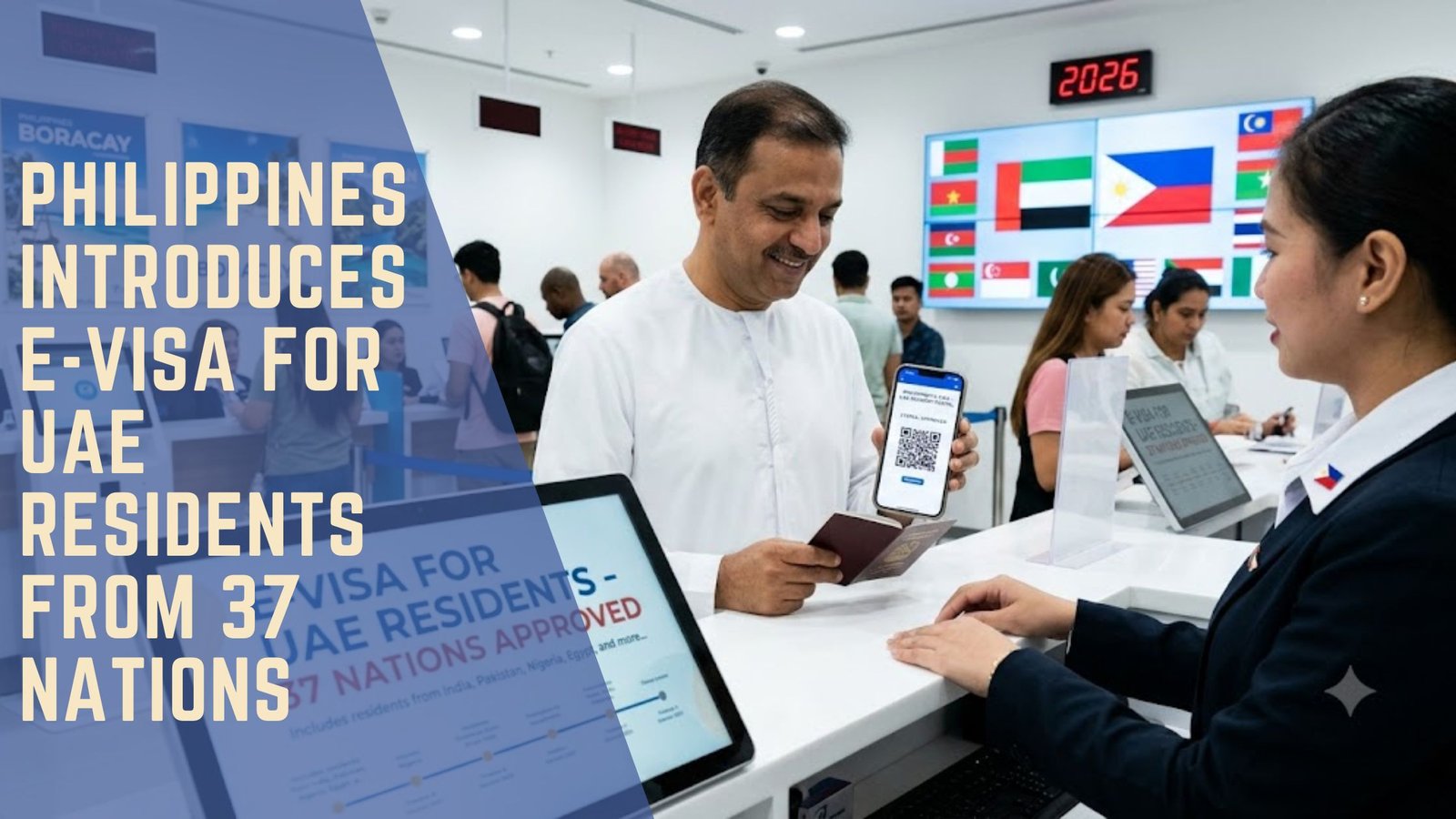
The Philippines has unveiled an electronic visa (e-visa) system for residents of the United Arab Emirates who hold citizenship from 37 countries, broadening options for short-term travel to the country. This new digital service, designed to complement existing sticker visas, was announced during a press conference by Consul General Ambrosio Brian Enciso III and Vice Consul Paola Belle Ebora in Dubai.
Streamlined Visa Process Through E-VisaPH
Citizens from the 37 designated nations, who possess valid UAE residency, can now apply for the non-extendable and non-convertible e-visa through the newly launched eVisaPH website. This platform is a product of the Philippines’ Department of Information and Communications Technology and aims to simplify the visa application process by allowing applicants to complete requirements remotely.
A Global Initiative for Easier Access
The Philippine Consulate General in Dubai joins 94 other embassies and consulates in adopting this e-visa system, a move that aligns with the Department of Foreign Affairs’ modernization program. Following a successful beta test period, which concluded with its launch in Shanghai, China, this initiative is set to make travel to the Philippines more accessible and efficient.
Collaboration with Immigration Authorities
Explaining the non-extendable nature of the e-visa, Consul General Enciso highlighted the collaboration between the Department of Foreign Affairs and the Bureau of Immigration. While the DFA is responsible for issuing visas, the extension process falls under the purview of the Bureau of Immigration, ensuring that all policies align with immigration regulations.
Encouraging Tourism and Exploration
Enciso emphasized the potential of the new e-visa system to boost tourism by attracting travelers who may not have previously considered the Philippines as a destination. The system targets adventurous travelers and those influenced by social media, providing a convenient option for individuals eager to explore the country known for its natural beauty and cultural heritage.
Enhancing Application Flexibility
The e-visa allows for both single and multiple-entry applications for various purposes such as tourism, business, medical treatment, and more. By eliminating the need for a physical appearance at consulates, the process becomes more flexible and less time-consuming. However, as Vice Consul Ebora noted, visa officers retain the right to request original documents or schedule personal interviews if necessary.
Ensuring Security and Compliance
Despite the convenience of the e-visa, applicants must ensure accuracy in their submissions to avoid processing delays. The consular team may require additional verification for individuals with common names or those flagged for further scrutiny, underscoring the importance of thorough compliance with application guidelines.
Countries Eligible for the E-Visa
The list of eligible countries includes a diverse range of nations such as Yemen, Ukraine, Afghanistan, and several others across Asia, the Middle East, and Europe. This broad eligibility aims to facilitate cultural exchange and strengthen international ties by making travel to the Philippines more accessible to a wider audience.
Overall, the introduction of the e-visa system marks a significant step in the Philippines’ efforts to enhance its global connectivity and streamline consular services, offering a modern and efficient option for international travelers.