

US-Iran Discussions at UN: A Diplomatic Opening?
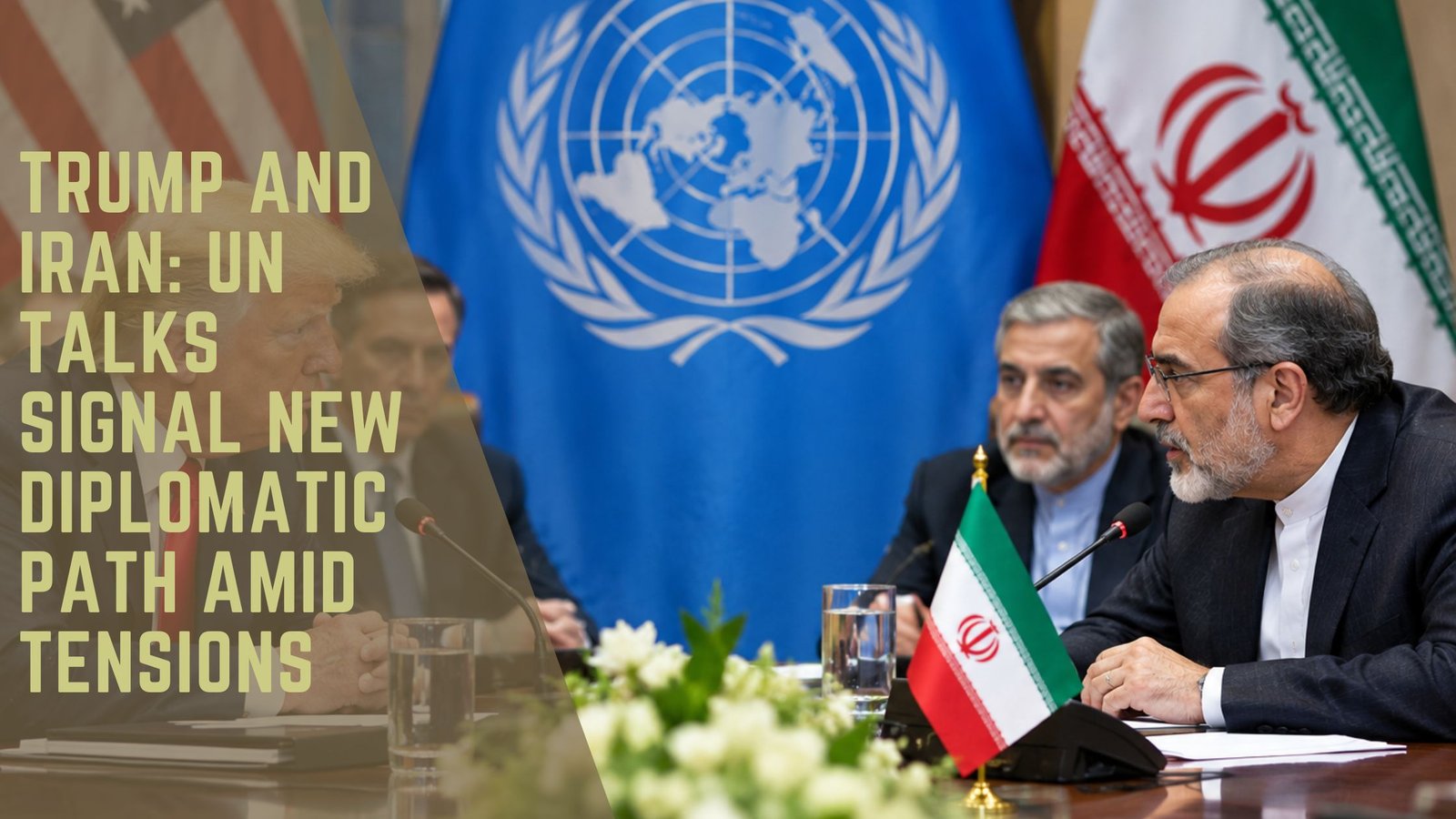
In a surprising development at the United Nations General Assembly in New York, President Donald Trump disclosed that U.S. and Iranian officials engaged in discussions for the first time in several months. This revelation came amid Trump’s stern warnings to Iran, asserting that he was contemplating decisive action against the Islamic Republic. Despite the fiery rhetoric, this engagement marks a potential shift in the otherwise tense relationship between the two nations.
High-Stakes Diplomacy: Key Players Involved
During the UN event, Iranian Foreign Minister Abbas Araghchi participated in discussions with Steve Witkoff, Trump’s special envoy, and Jared Kushner, Trump’s son-in-law. This meeting, held on the sidelines of the General Assembly, signals a complex interplay of diplomatic efforts, juxtaposed against Trump’s aggressive messaging towards Iran.
Trump’s approach to Iran has been characterized by both threats and opportunities. In his speech at the UN, he posed a critical question about the future of U.S.-Iran relations, pondering whether a deal could be struck that would allow Iran to prosper or if the U.S. might opt for a more severe strategy to neutralize the perceived threat from Tehran.
Iran’s Conditions for Negotiation
According to Iranian media reports, Araghchi outlined specific conditions for reopening the crucial Strait of Hormuz, a strategic waterway that has been a focal point in the regional conflict. Tehran’s demands include lifting the U.S. naval blockade, releasing frozen Iranian assets, and an end to hostilities on various fronts.
These conditions underscore the complexities involved in any potential deal and highlight Iran’s strategic priorities as it navigates its standoff with the U.S.
Momentum for a Deal?
Following the meeting, Trump expressed optimism about the prospects of a deal with Iran, suggesting that there is growing momentum for negotiation. He noted that feedback from various parties indicates a willingness to engage in constructive talks. This sentiment was echoed by Witkoff, who described the discussions as promising and indicative of potential progress.
However, the pathway to any agreement remains fraught with challenges, as both sides navigate their geopolitical interests and domestic pressures.
Regional and Global Implications
The ongoing conflict has had significant repercussions, not only for U.S.-Iran relations but also for the broader geopolitical landscape. The war, which began with a U.S.-Israel alliance against Iran, has led to economic strains, particularly through rising fuel prices that have affected global markets.
The potential for a diplomatic resolution could alleviate some of these pressures, but hinges on overcoming substantial hurdles, particularly concerning Iran’s nuclear ambitions and regional influence.
Impact on U.S. Politics
Domestically, the conflict and its economic implications pose a challenge for the Trump administration, especially as the U.S. approaches midterm elections. The prolonged military engagement has contributed to economic discontent, with the administration eager to secure a diplomatic win.
Trump’s focus on a potential deal with Iran is part of a broader strategy to showcase his foreign policy prowess, amid ongoing challenges such as the unresolved conflict in Ukraine.
Broader Security Agreements
While addressing the UN, Trump also announced a security pact with Greenland and Denmark, illustrating his administration’s strategic interests in the Arctic region. Under this agreement, the U.S. plans to establish military bases in Greenland, a move aimed at countering non-NATO influences and securing America’s strategic interests in the North Atlantic.
This development has temporarily abated Trump’s controversial claims over Greenland, reflecting a more diplomatic approach to territorial negotiations.