
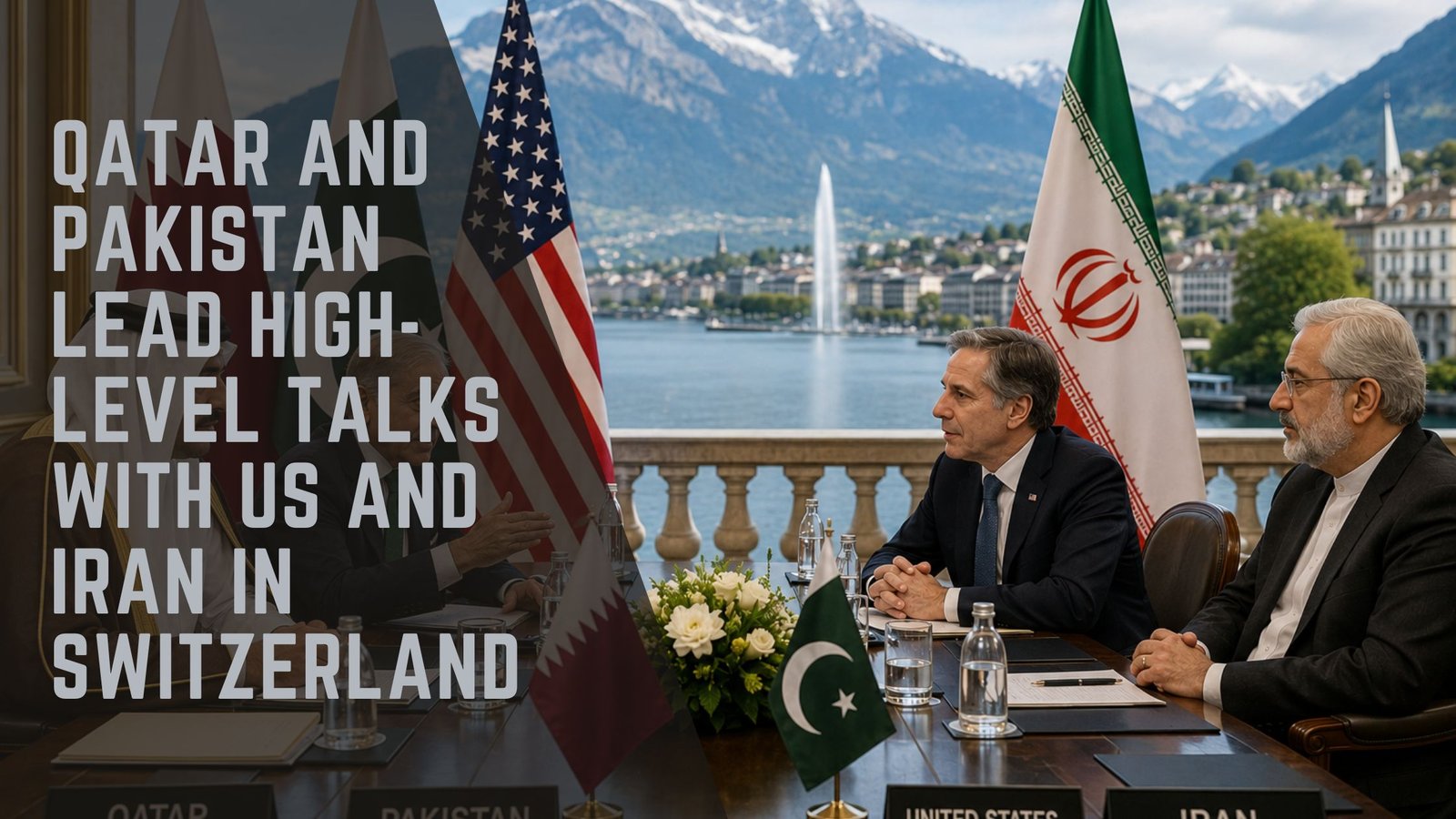

Historic High-Level Talks Conclude in Switzerland
The first session of high-level discussions under the Islamabad Memorandum of Understanding has successfully concluded in Burgenstock, Switzerland. This significant diplomatic event saw participation from key representatives of the Islamic Republic of Iran, the United States of America, and the two mediating nations, the State of Qatar and the Islamic Republic of Pakistan.
Establishment of a High-Level Committee
According to the Qatar News Agency (QNA), a joint statement was issued by Qatar and Pakistan regarding the session’s outcomes. A pivotal development from these talks is the agreement to establish a High-Level Committee. This committee is tasked with providing political oversight for the mediation process. Chief negotiators are required to report regularly to this committee, ensuring transparency and accountability in the proceedings. The committee will also lead critical working groups focusing on nuclear issues, sanctions, and a monitoring and dispute resolution group to ensure the Memorandum of Understanding (MoU) is effectively implemented.
Communication and Conflict Resolution Mechanisms
An essential feature of the agreement is the establishment of a direct communication line among the parties involved. This channel is designed to minimize the risk of incidents and miscommunication, particularly concerning the safe passage of commercial vessels through the strategically critical Strait of Hormuz. This measure is outlined to be in effect for the period specified in paragraph 5 of the MoU.
Furthermore, the parties have agreed to the formation of a de-confliction cell. This cell, involving the Lebanese Republic and facilitated by the mediating countries, aims to ensure adherence to the cessation of military operations in Lebanon, as stipulated by the MoU. This initiative is expected to foster stability in the region and prevent future conflicts.
Implications for Regional Stability
The successful conclusion of these talks marks a significant step forward in diplomatic relations between the involved nations. The involvement of the US and Iran, alongside Qatar and Pakistan, highlights the collaborative effort to address longstanding geopolitical tensions. The establishment of the High-Level Committee and the communication and de-confliction mechanisms reflect a strategic approach to conflict resolution and regional stability.
Analysts view this development as a positive indication of a shift towards dialogue and cooperation in addressing complex international issues. The focus on nuclear discussions and sanctions indicates an intent to tackle some of the most contentious issues directly, fostering a platform for sustainable peace and diplomatic engagement.
Future Prospects and Challenges
While the establishment of these mechanisms is a promising start, the path ahead remains fraught with challenges. The effective implementation of the MoU will require sustained commitment and cooperation from all parties involved. The geopolitical landscape in the Middle East is intricate, and the success of this initiative will depend on the willingness of the parties to engage constructively and uphold the agreements reached.
The role of Qatar and Pakistan as mediators is crucial, as they facilitate dialogue and ensure that the communication channels remain open and effective. Their diplomatic efforts are vital in maintaining momentum and addressing any emerging issues swiftly and efficiently.
Conclusion
The high-level talks in Switzerland represent a significant diplomatic achievement, bringing together nations with historically complex relationships. As these discussions progress, the international community will closely monitor the outcomes, hoping for a new era of cooperation and peace in the region.