
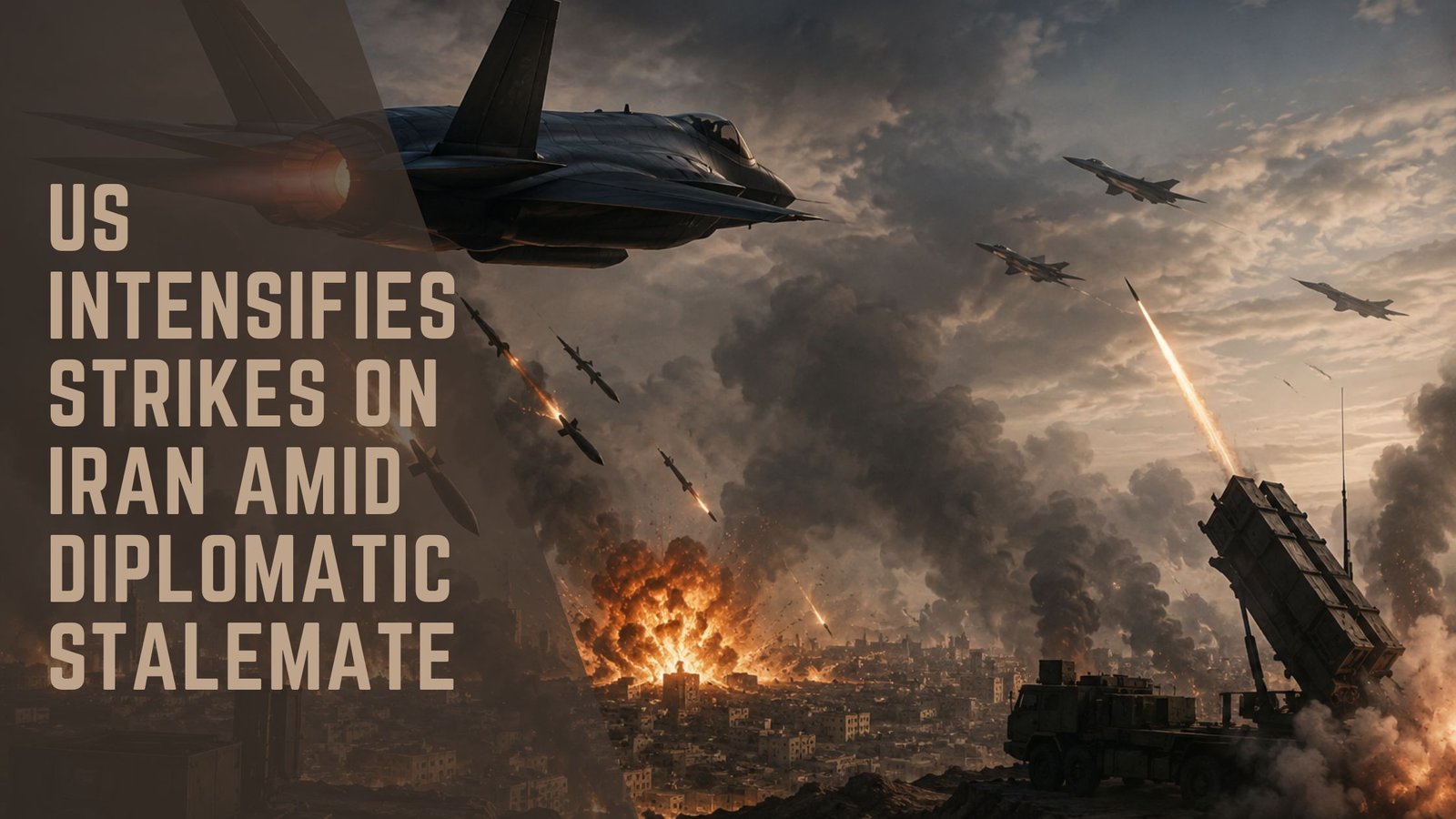

US Military Escalates Operations in Iran
The United States military has completed its 11th consecutive night of aerial assaults on Iranian targets, marking a significant increase in military operations amid rising tensions in the Middle East. According to US Central Command, the latest strikes focused on strategic sites including aircraft hangars and drone storage facilities.
Diplomatic Efforts Undermined
As military actions continue to escalate, diplomatic efforts to establish a ceasefire seem increasingly futile. Iranian Interior Minister Eskandar Momeni’s recent visit to Pakistan—a nation positioned as a key mediator in the conflict—failed to yield any significant progress. The discussions aimed at reviving diplomacy appear to be overshadowed by the intensifying military actions, raising questions about potential resolutions to the ongoing conflict.
Strategic Importance of the Strait of Hormuz
The Strait of Hormuz, a critical maritime passageway for global energy supplies, remains a focal point in the conflict. Despite the US’s relentless airstrikes, Iran maintains a stronghold over this vital artery through which approximately 20% of the world’s crude oil and natural gas used to flow. The strait’s blockade has severe implications for international energy markets, evidenced by the rise in crude oil prices, which surpassed $92 per barrel.
Impact on Global Energy Markets
The ongoing hostilities have led to increased energy prices, directly impacting global markets. Regular gasoline prices in the United States have surged to an average of $4 per gallon, exerting economic pressure on American consumers. The timing of these developments is critical, as midterm elections approach, and public sentiment grows increasingly adverse to the war, partly due to its economic repercussions.
Casualties and Military Toll
The conflict has resulted in a substantial number of US military casualties, with over 500 personnel reportedly injured. This figure surpasses the current official count in the Defense Casualty Analysis System, reflecting the lag in reporting injuries. A US official, speaking anonymously, confirmed that the discrepancy is due to systemic delays rather than any intentional omission.
Regional Tensions and New Fronts
Complicating the situation further, Yemen’s Houthi rebels, backed by Iran, have opened a new front against Saudi Arabia by initiating a naval blockade in the Red Sea. This move threatens to disrupt global oil and trade flows, as Saudi Arabia increasingly relies on a pipeline to the Red Sea due to the blockade of the Strait of Hormuz.
Reports from the Houthi-run news agency, SABA, indicate that several ships in the Red Sea have altered their routes following warnings from the rebel group. Although these claims remain unverified, they highlight the expanding scope of the conflict and its potential implications for international shipping and trade.
Conclusion
With diplomatic solutions appearing elusive and military actions escalating, the situation in the Middle East remains precarious. The ongoing conflict not only poses a significant threat to regional stability but also has far-reaching consequences for global energy markets and international relations.