
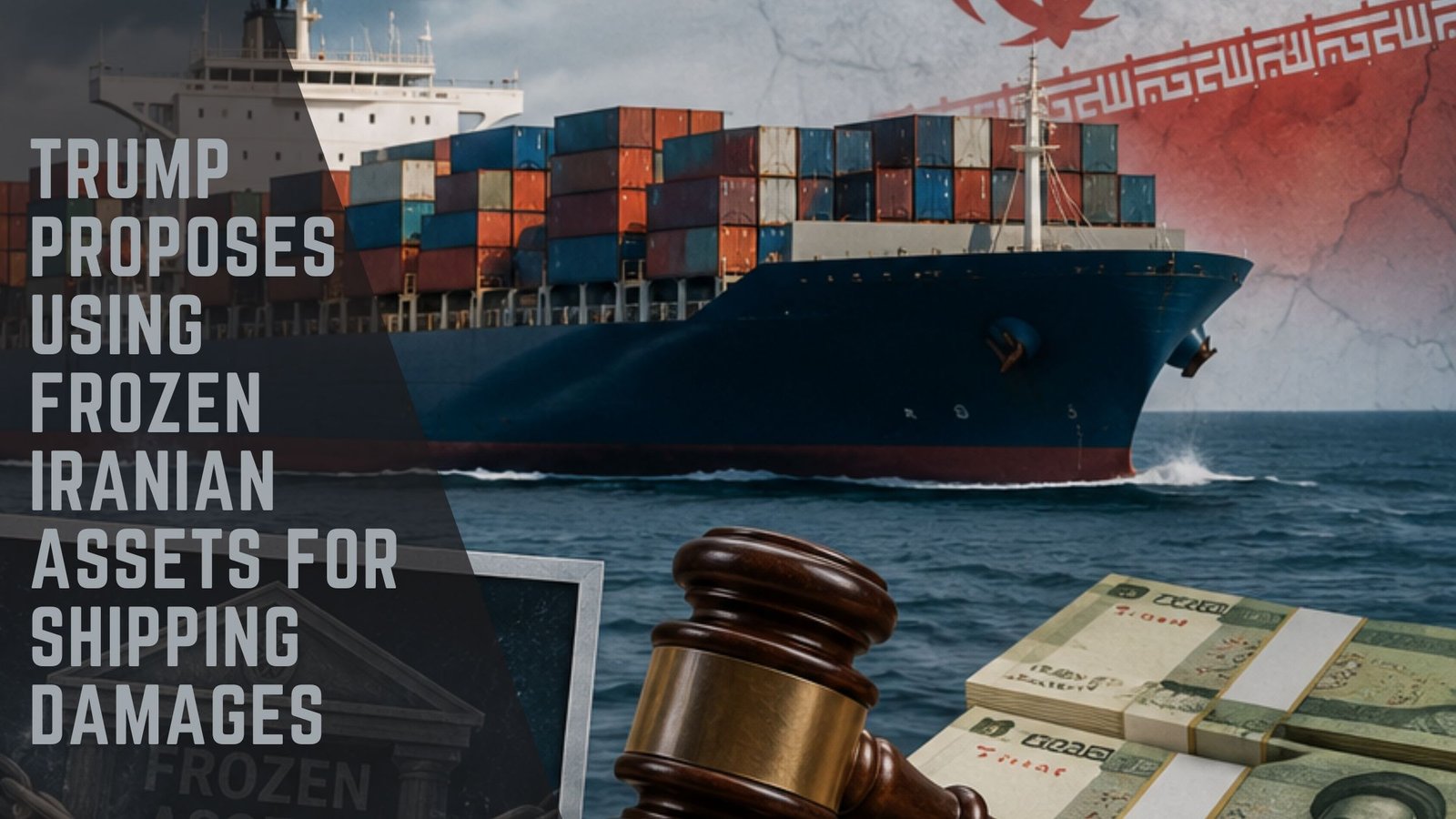

Trump Suggests Utilizing Iranian Funds for Maritime Reimbursement
In a significant policy pronouncement, former U.S. President Donald Trump proposed that any potential damages incurred by ships, cargo, or related maritime properties would be compensated using Iranian assets currently frozen under U.S. control. This statement, made via the social media platform Truth Social, underscores Trump’s assertive approach to international financial disputes.
Background on Frozen Iranian Assets
The United States has held Iranian assets frozen as part of a broader sanctions regime aimed at curbing Iran’s nuclear ambitions and other activities deemed destabilizing to global security. These funds, which amount to billions of dollars, have been a point of contention between the two nations. The freezing of assets has been a tool leveraged by successive U.S. administrations to exert pressure on Tehran.
Trump’s declaration comes amid heightened tensions in the Gulf region, where shipping lanes have been under threat from various geopolitical conflicts. The strategic importance of these waterways cannot be overstated, as they are vital conduits for global energy supplies and trade.
Impact on International Relations
This proposal could have far-reaching implications for U.S.-Iran relations. By suggesting that Iranian funds be used for compensatory purposes, Trump revives a contentious issue that could further strain diplomatic efforts. The move could be perceived by Iran as an act of economic aggression, potentially complicating ongoing negotiations aimed at reviving the Joint Comprehensive Plan of Action (JCPOA), commonly known as the Iran nuclear deal.
Additionally, this approach may set a precedent in international maritime law and the handling of frozen assets. It raises questions about the legal frameworks governing asset seizure and compensation for damages, prompting a likely debate among legal experts and policymakers.
Reactions from the International Community
The announcement has elicited mixed reactions from the international community. Some stakeholders in the maritime industry view it as a pragmatic solution to mitigate financial losses stemming from regional instability. However, others criticize it as a unilateral decision that could exacerbate tensions.
European allies, who have been advocating for diplomatic solutions to address security concerns in the Gulf, may find this approach discordant with their efforts to maintain dialogue with Iran. The European Union has emphasized the need for multilateral engagement and has been working to preserve the JCPOA despite challenges posed by U.S. policies.
Potential Legal Challenges
Trump’s proposal also opens the door to potential legal challenges. The use of frozen assets for compensation purposes may not align with existing international legal standards. Iran could seek redress through international courts, arguing that the assets should remain untouched until a mutual agreement is reached.
Legal experts suggest that any attempts to unilaterally use these funds could face significant hurdles. The process of repurposing frozen assets is typically complex, involving various legal and diplomatic considerations. Such actions would likely be scrutinized under international law, with potential ramifications for future asset management practices.
Conclusion: Navigating the Complexities of International Policy
Trump’s statement highlighting the use of Iranian funds to offset shipping damages emphasizes the complexities inherent in international policy and economic sanctions. As global leaders navigate these challenges, the balance between assertive policy measures and diplomatic engagement remains critical. The unfolding developments will likely influence future U.S. foreign policy and its approach to handling international financial disputes.