

Regional Leaders Express Disapproval of Israel’s Position
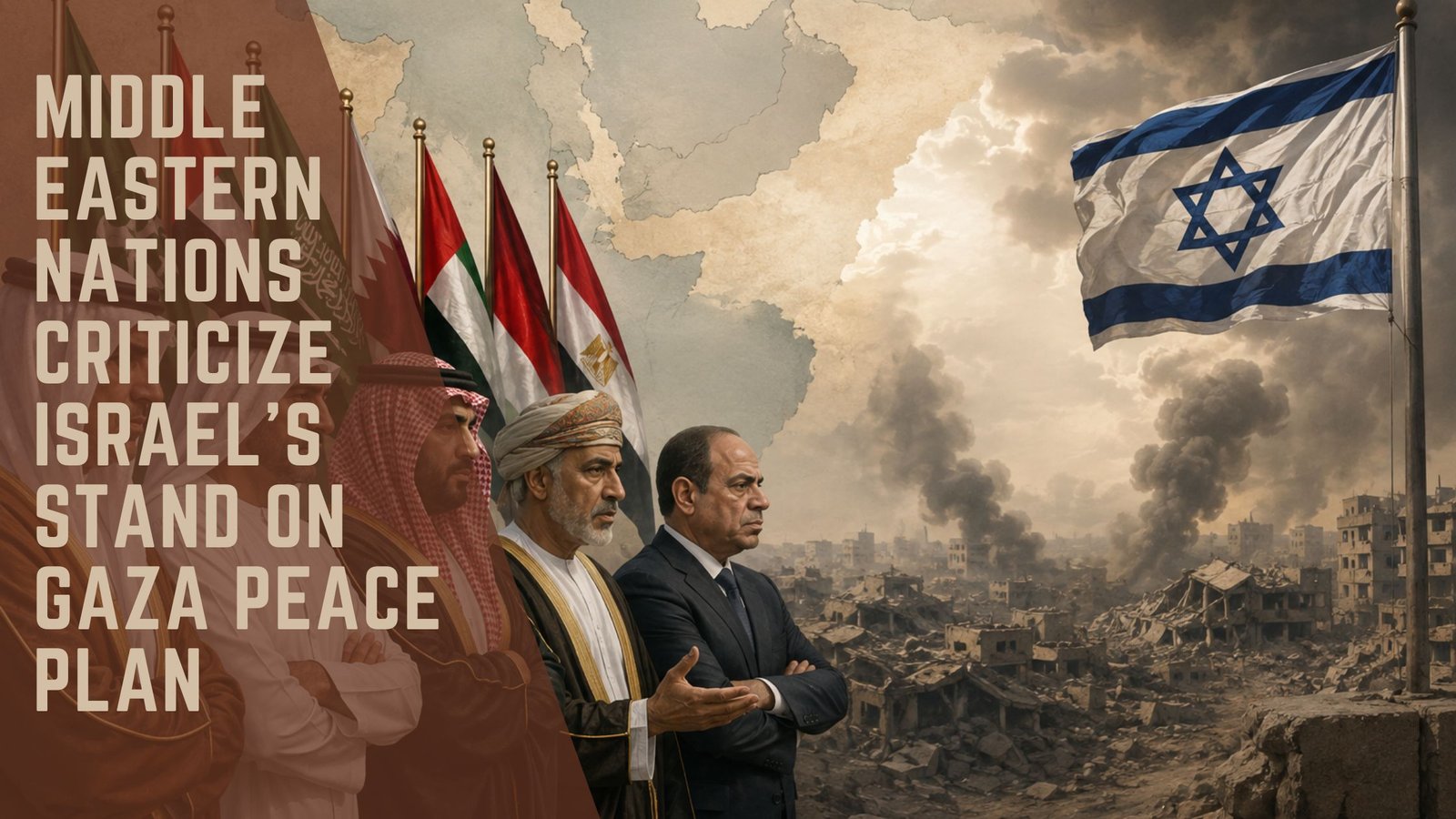
In a collective response to Israel’s recent rejection of a proposed peace plan, foreign ministers from several Middle Eastern and Muslim-majority countries have voiced strong criticism. Representatives from the United Arab Emirates, Qatar, Jordan, Indonesia, Pakistan, Türkiye, Saudi Arabia, and Egypt have condemned Israel’s refusal to accept the Road Map for the Comprehensive Plan aimed at resolving the Gaza conflict, which had been endorsed by a United Nations Security Council resolution.
Peace Plan and International Efforts
The Comprehensive Plan, which was initiated by former U.S. President Donald Trump, is designed to end hostilities in Gaza and establish conditions conducive to long-term peace. It has received backing from the United Nations Security Council through Resolution 2803. The plan calls for significant steps, including the decommissioning of weapons, withdrawal of Israeli forces, deployment of an International Stabilization Force, and the transfer of administrative authority to a designated National Committee in Gaza.
Despite these well-laid plans, Israel’s rejection threatens to derail the efforts of mediators, which include key nations such as Egypt, Qatar, Türkiye, and the United States, alongside the High Representative of Gaza and the Board of Peace. The refusal is seen as a major setback in achieving peace and stability in the region.
Repercussions of Israel’s Decision
The ministers argue that Israel’s stance not only repudiates the Comprehensive Plan but also places the responsibility for obstructing peace efforts squarely on Israel’s shoulders. They emphasize that Israel’s actions could exacerbate the situation on the ground, potentially leading to further conflict and instability.
They call for sustained and active engagement from the United States to ensure Israel complies with the commitments outlined in the Comprehensive Plan. The ministers stress that Israel must be held accountable for any deterioration in the situation, including delays in the peace process and the humanitarian crisis in Gaza.
A Call for Palestinian Statehood
In their statement, the ministers reaffirm the necessity of implementing the Comprehensive Plan to address the humanitarian needs in Gaza and to lay the groundwork for reconstruction and recovery. They assert that peace in the region hinges on recognizing Palestinian statehood and implementing a two-state solution based on the pre-1967 borders, with East Jerusalem as the capital of a sovereign Palestinian state.
The ministers categorically reject any unilateral actions that deny or undermine the establishment of a Palestinian state. They argue that such actions threaten the prospects for peace, security, and stability in the region.
Role of the Board of Peace and International Support
The ministers highlight the significance of the Board of Peace and call for international support to advance the implementation of the Road Map. They urge all parties to back the Board’s efforts and emphasize the need for the United States to play an active role in preventing any party from hindering the plan’s execution.
The collective stance of these nations underscores the importance of a coordinated international approach to resolve the prolonged conflict and achieve a lasting peace in the Middle East.