

Asian Markets React to Geopolitical Strain and Economic Projections
Global stock markets struggled on Tuesday, primarily led by declines in Asian equities, as geopolitical tensions surrounding the strategic Strait of Hormuz intensified. This comes amid expectations that the Federal Reserve will implement another interest rate hike in the coming month, further influencing market sentiment.
Strait of Hormuz: A Focal Point in U.S.-Iran Tensions
The weekend saw a significant setback in hopes for a de-escalation of Middle East tensions when former U.S. President Donald Trump dismissed Iran’s proposal for a seven-day ceasefire. Although he indicated that bilateral talks might resume this week, the lack of tangible progress left traders grappling with the prospect of sustained inflationary pressures, potentially prompting the Federal Reserve to tighten monetary policy further.
Trump Denies Sanctions Relief Offer
Adding to the volatility, Trump refuted a report by Axios claiming he extended an offer to ease sanctions on Iran in exchange for commitments related to Tehran’s nuclear program. Responding on his Truth Social platform, Trump labeled the report a “HOAX,” insisting he had made no such proposal. The report alleged Trump’s willingness to provide sanctions relief and release Iranian frozen funds, citing unnamed U.S. officials.
Diplomatic Channels and Pessimism
Despite these denials, Iran’s state media announced that the country’s Foreign Minister, Abbas Araghchi, is scheduled to engage with Qatari delegates. The discussions are expected to revolve around “messages exchanged with the United States through intermediaries,” particularly concerning Iran’s conditions for reopening the vital Strait of Hormuz. However, according to Bloomberg, Iranian officials privately express skepticism about reaching any agreement before the U.S. midterm elections in November.
Economic Implications of Strait Closure
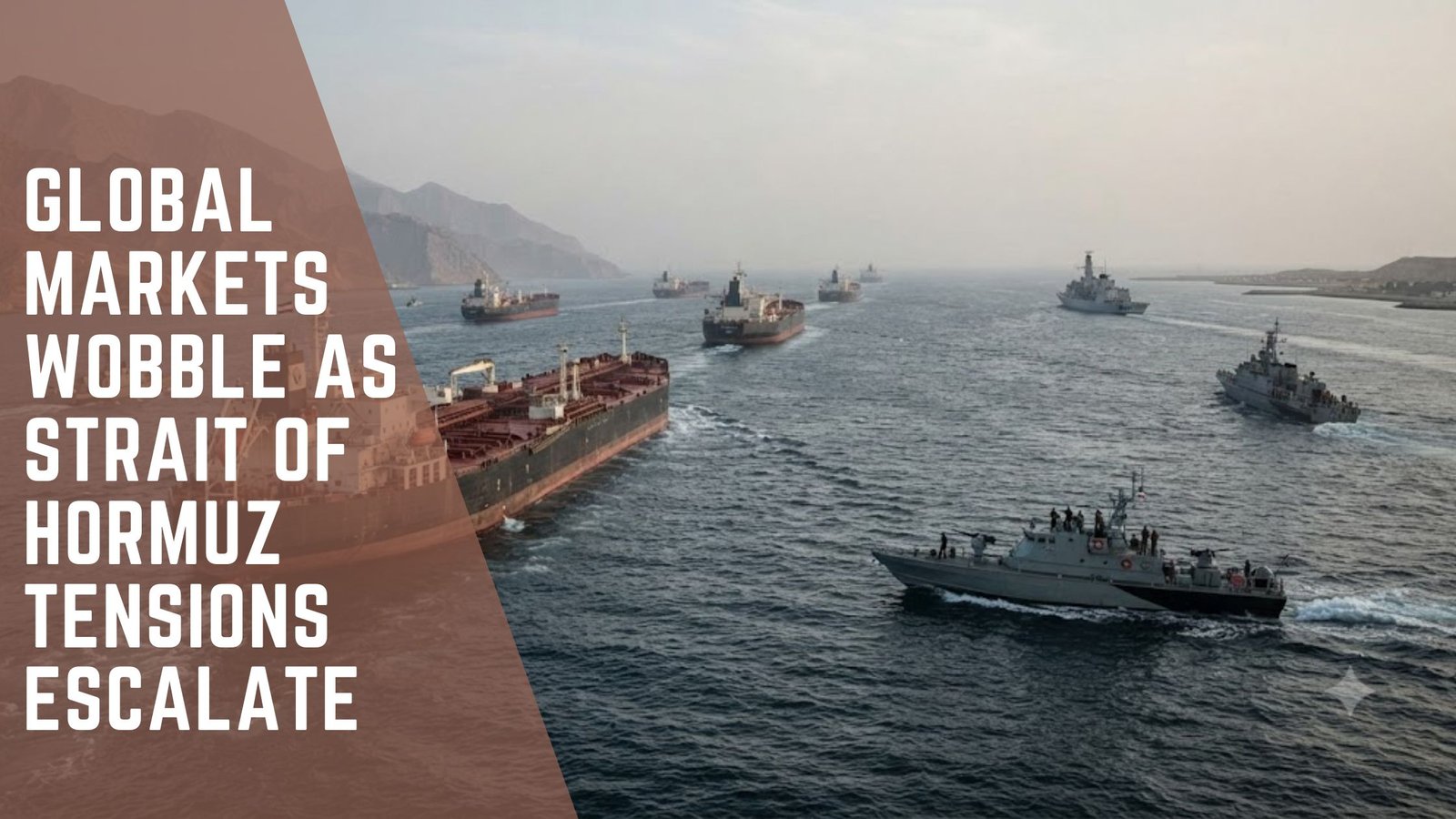
The Strait of Hormuz is crucial for global oil and gas transport, and its continued closure has significant implications for international markets. The conflict, exacerbated by Iran-backed Houthi forces controlling Yemen’s Red Sea coast, including the Bab Al Mandab Strait, further complicates the scenario. According to Ian Lyngen of BMO Capital Markets, “The conflict is likely to persist, forcing global markets to adjust to ongoing supply disruptions.”
Oil Prices Surge Amid Continued Uncertainty
In response to these developments, oil prices experienced a notable increase, with major crude contracts rising over one percent on Tuesday. The sustained geopolitical strife contributes to upward pressure on fuel prices, with the UK’s average diesel costs reaching record levels, as reported by the RAC motoring organization.
Stock Market Dynamics
Equity markets across Asia reflected this turmoil, with indices in Tokyo, Seoul, Hong Kong, Mumbai, Singapore, Taipei, Wellington, Jakarta, and Manila all registering losses. Conversely, stock exchanges in Shanghai and Sydney managed to close slightly higher, bucking the regional trend. These movements followed a bleak performance on Wall Street, where all three primary indices ended the day in negative territory.
Outlook and Market Adjustments
As the situation develops, investors remain cautious, balancing geopolitical risks with economic indicators and the potential actions of central banks. The ongoing conflict and its implications for energy supply and inflation will likely continue shaping market dynamics in the near future.