
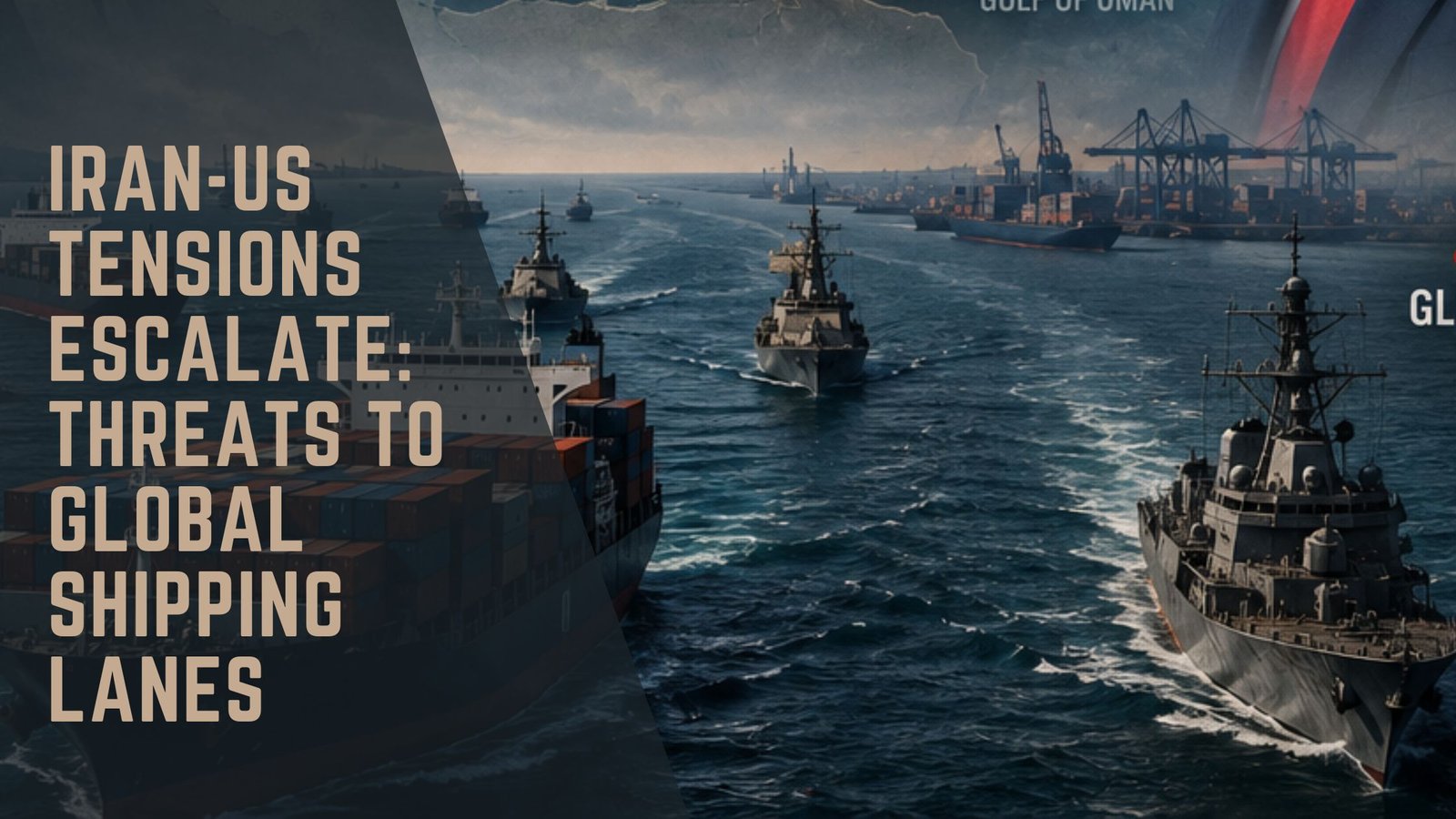

Rising Tensions in Key Maritime Routes
Tensions between Iran and the United States have reached a critical point, with Iran’s Islamic Revolutionary Guard Corps (IRGC) threatening to close major seaways that are crucial to global energy supply. This announcement follows the closure of the Strait of Hormuz and the United States’ reinstated naval blockade of Iranian ports, according to Iranian state media. The IRGC emphasized that regional energy exports must either be shared by all or denied to all, a statement that underscores the gravity of the situation.
Strategic Chokepoints at Risk
The potential closure of the Bab El Mandeb Strait by Iran’s Houthi allies in Yemen is a significant concern. This narrow passageway connects the Red Sea to the Gulf of Aden, a critical route for Saudi oil exports and global shipping. The possibility of its closure has analysts worried about the broader implications for international trade and energy prices. A senior Houthi official indicated that if Saudi Arabia continues its military actions in Yemen, the group could close the strait, potentially driving oil prices to unprecedented levels.
Impact of Recent Conflicts
The conflict has already seen escalations with the Houthis targeting commercial vessels in the Red Sea, claiming they were supporting Palestinian causes by targeting Israel-linked ships. This development adds another layer of complexity to an already volatile region, threatening the flow of maritime commerce. Amidst these tensions, the United States military has launched a series of strikes aimed at diminishing Iranian capabilities in the Strait of Hormuz, reporting attacks on seven commercial vessels and resulting in multiple casualties.
Military Exchange Intensifies
The US Central Command confirmed that its latest operations targeted Iranian military assets near the Strait of Hormuz, lasting approximately seven hours. Iranian state media reported civilian and military casualties as a result of these strikes, further escalating hostilities. The IRGC responded by claiming attacks on US military infrastructure in Bahrain and Kuwait, as well as an airstrike on a US base in Jordan, signifying a broadening of the conflict’s geographical scope.
Political Ramifications and Economic Impacts
US President Donald Trump has warned of potential strikes on Iranian infrastructure unless negotiations resume, indicating a shift from military to economic strategies. The threat of targeting Iranian power plants and bridges comes amid talks of imposing a shipping fee through the Strait of Hormuz, although this idea was later abandoned in favor of potential investment deals with Gulf states. These developments have resulted in fluctuations in oil prices, with Brent and West Texas Intermediate reaching their highest levels since mid-June.
Outlook and Global Implications
The ongoing situation poses significant risks to global energy supply chains, with the potential for further disruptions if the current trajectory continues. As diplomatic efforts waver, the international community watches closely, concerned about the broader economic implications and the possibility of a widening conflict. The strategic importance of the Strait of Hormuz and Bab El Mandeb cannot be overstated, as they are vital arteries for the world’s energy supply. The unfolding events will likely require concerted international diplomatic efforts to prevent further escalation.