
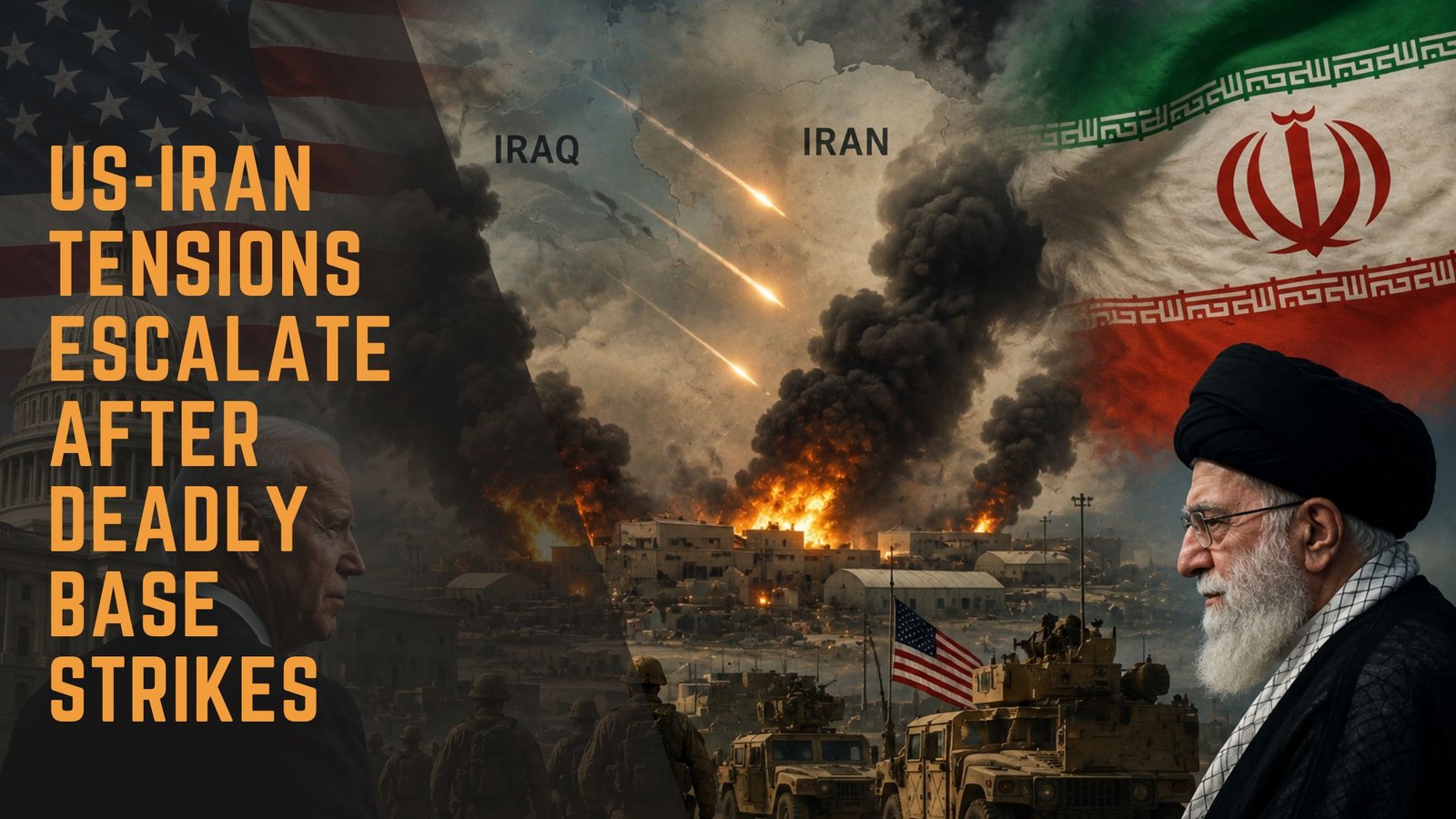

US Airstrikes Result in Fatalities at Iranian Base
In a significant escalation of tensions, the United States conducted a series of airstrikes on an Iranian military facility in Bampur, resulting in the deaths of at least seven military personnel. The Iranian army confirmed the attack on Wednesday, as reported by the semi-official Tasnim news agency. The assault aimed to maximize casualties, deploying 13 missiles that targeted various structures within the base, including a guesthouse, guard posts, and accommodation facilities near the southeastern city of Iranshahr.
Iran Vows Retaliatory Measures
The Iranian military has vowed a ‘decisive response’ to the US military actions, with officials stating that several personnel suffered injuries during the strikes. The promise of retaliation underscores the increasing volatility in the region, as Iran seeks to assert its military capabilities in the face of perceived aggression.
Retaliatory Strikes by Iran
In a swift counter-response to the US strikes, Iran’s army and the Revolutionary Guards launched separate attacks on American targets located in Jordan and Kuwait. Iranian state television reported that drones targeted the Al Azraq base in Jordan, while the Revolutionary Guards claimed responsibility for firing cruise missiles at a US military logistics center in Mina Abdullah, Kuwait.
Strategic Importance of the Strait of Hormuz
In conjunction with these military actions, Iranian officials have declared that the Strait of Hormuz will remain blocked until the United States ceases what Iran describes as aggressive acts. The strait is a critical chokepoint for global oil shipments, and its closure could have significant implications for international energy markets.
International Reactions and Potential Diplomatic Fallout
The recent military confrontations have drawn international attention, with various countries urging both the United States and Iran to exercise restraint to prevent further escalation. The potential for diplomatic fallout is high, as regional and global powers assess the implications of these developments on security and stability in the Middle East.
Analysis of Regional Stability
Analysts are closely monitoring the situation, noting that the latest exchanges between the US and Iran could destabilize an already fragile region. The cyclical nature of retaliatory strikes raises concerns about the potential for a broader conflict, particularly as both nations have significant military capabilities and strategic interests.
US and Iranian Military Capabilities
The United States maintains a robust military presence in the Middle East, with numerous bases and logistical centers that support its operations. Iran, on the other hand, has developed its missile technology and drone capabilities as part of its defense strategy. The interplay of these military strengths adds complexity to the ongoing conflict.
Calls for Diplomatic Engagement
In light of these tensions, there are increasing calls for diplomatic engagement to address the underlying issues between the United States and Iran. Experts suggest that dialogue could pave the way for a de-escalation of military actions and foster a more stable regional environment.