
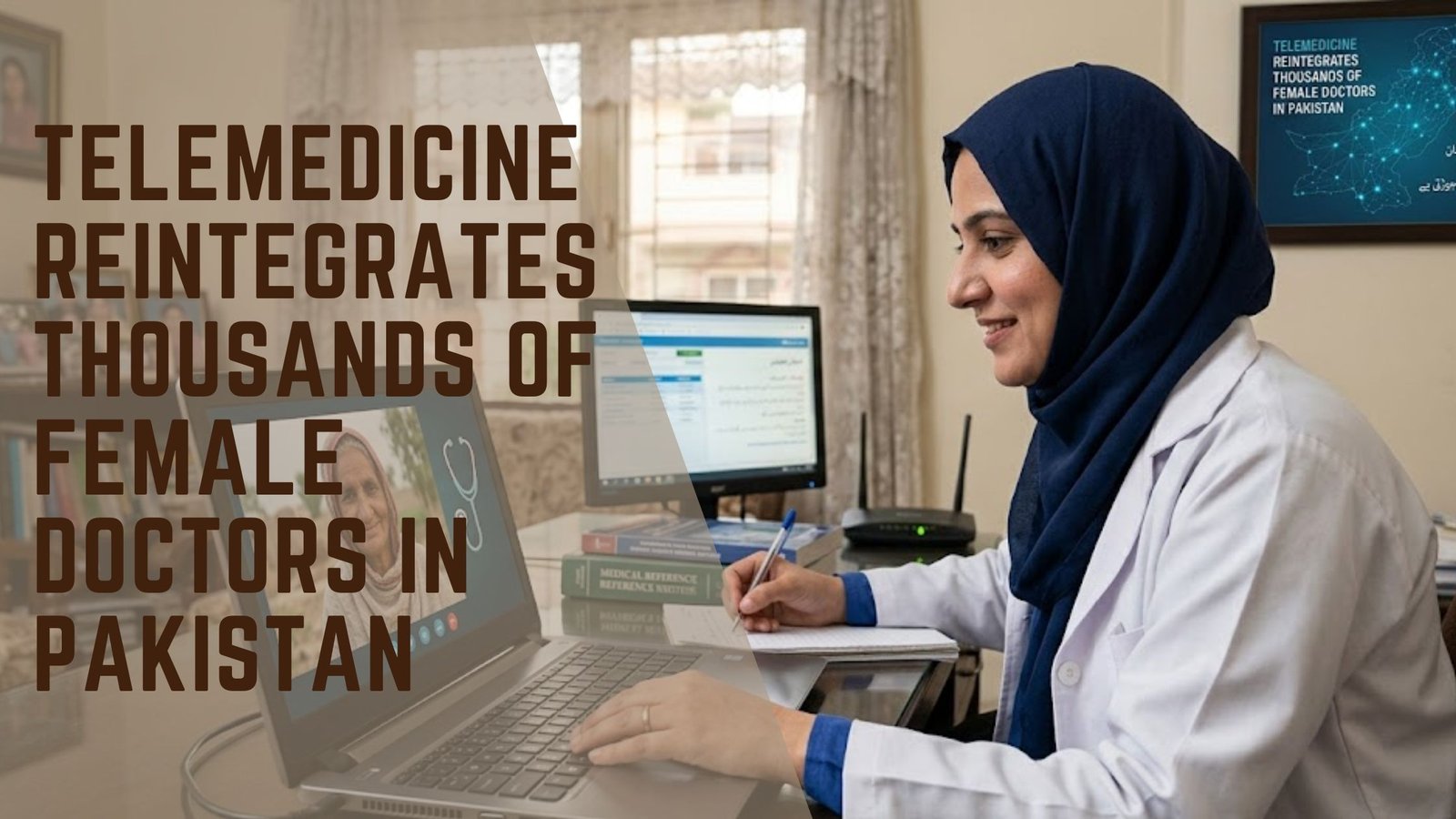

Telemedicine Reshapes Medical Practice for Women in Pakistan
In a significant development for Pakistan’s healthcare sector, telemedicine is facilitating the return of thousands of female doctors to the workforce. In a society where cultural norms and familial responsibilities often hinder women’s professional careers, digital health initiatives are providing an innovative solution.
The Digital Revolution in Healthcare
One such initiative, spearheaded by Sehat Kahani, a digital health company, has enabled over 7,500 female doctors to resume their medical practice from the comfort of their homes. This movement not only addresses the critical shortage of healthcare providers in underserved areas but also offers a viable career path for women who had previously left the profession due to family commitments.
Breaking Barriers: The Role of Telemedicine
The digital platform provided by Sehat Kahani connects home-based doctors with patients across Pakistan, especially in regions with limited access to medical facilities. This initiative is particularly beneficial for female patients, who may feel more at ease discussing health issues with female doctors. The program highlights a significant shift in the healthcare landscape, aiming to improve accessibility and quality of care for marginalized communities.
Challenges Facing Female Medical Professionals
Despite women constituting the majority of medical graduates in Pakistan, many do not enter the workforce or leave it shortly after marriage. This trend is attributed to societal expectations, inadequate childcare options, and concerns about workplace harassment. The World Economic Forum ranks Pakistan near the bottom for gender equality, reflecting the broader socio-economic challenges faced by women in the country.
Flexible Work Arrangements: A Solution for Many
Doctor Saniya Jafri, a mother of three, exemplifies the success of telemedicine. After stepping away from her role in cardiology due to the demands of family life, she now balances her responsibilities by consulting with patients online. This flexible arrangement allows her to care for her children while maintaining her professional skills.
Societal Expectations and Professional Careers
In Pakistan, a medical degree is often seen as a means of enhancing family prestige, particularly for women. The honorific ‘Dr’ is highly valued, yet many women face pressure to abandon their careers post-marriage. Doctor Sara Saeed Khurram, co-founder of Sehat Kahani, understands this dynamic well, having observed many of her female colleagues leave the profession under family pressure.
Bridging the Healthcare Gap
The shortage of practicing female doctors exacerbates the existing healthcare gap in Pakistan, where disparities between urban and rural areas are stark. Approximately 70,000 female doctors are registered but not actively practicing. By re-engaging these professionals through telemedicine, not only is the healthcare system strengthened, but patients in impoverished areas benefit from more accessible medical care.
Empowerment Through Digital Platforms
Telemedicine provides a platform for female doctors to overcome traditional barriers, but family support remains crucial. As Saniya Jafri notes, the success of women in this field often hinges on the encouragement of their families. When such support is present, women can thrive professionally; without it, many are forced to abandon their careers.
Sehat Kahani’s initiative demonstrates the potential of digital solutions to transform healthcare and empower female professionals, offering a model that could be replicated in other regions facing similar challenges.