
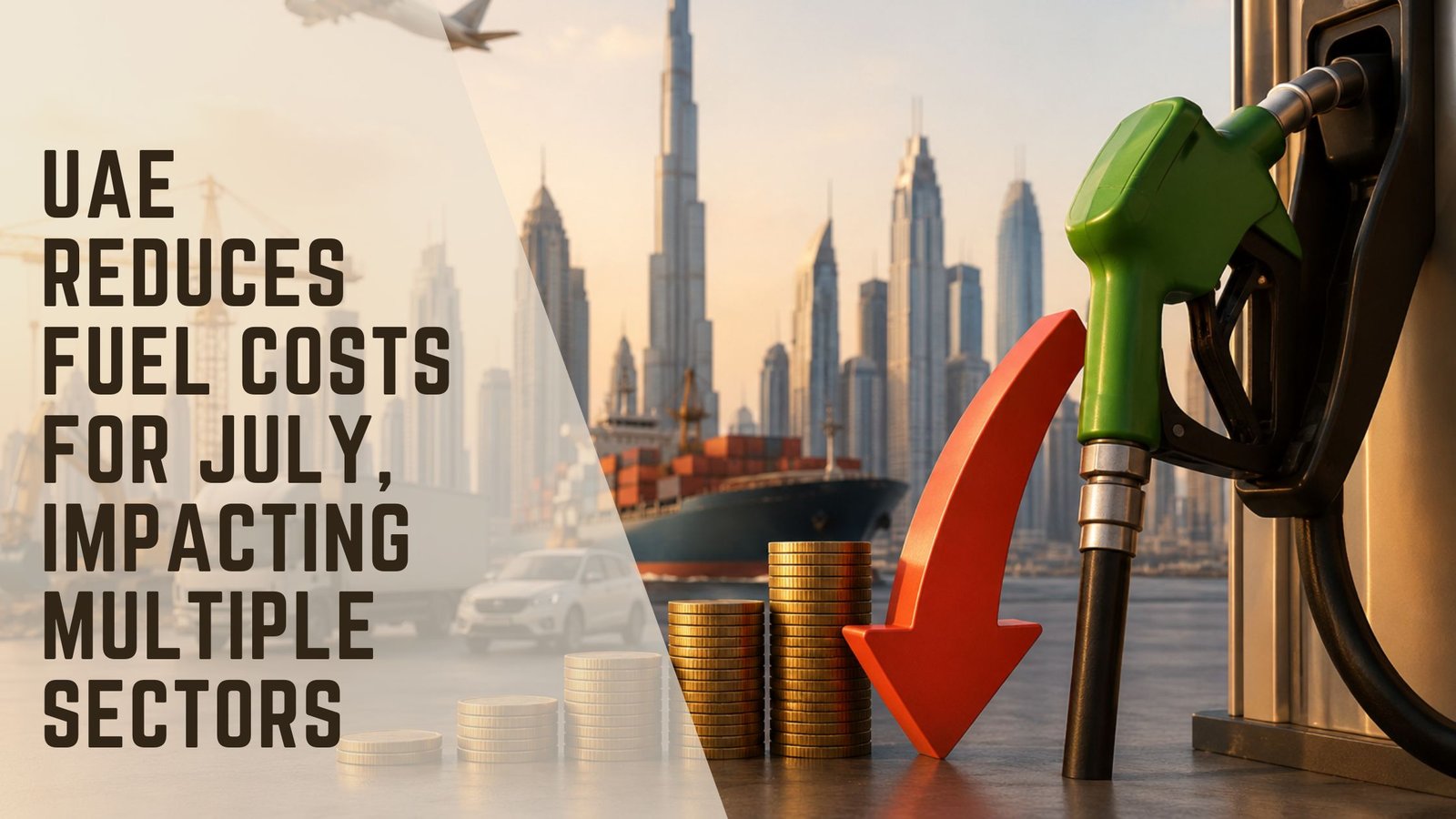

UAE Announces Fuel Price Reductions for July 2026
The United Arab Emirates (UAE) Fuel Price Committee has announced a decrease in fuel prices for the month of July 2026. The decision comes as a response to shifts in the global oil market, aiming to ease financial burdens across various economic sectors. Lower fuel prices are expected to have a significant impact on transportation, logistics, and other industries reliant on fuel.
Details of the New Fuel Pricing
In a detailed announcement, the UAE Fuel Price Committee specified the new rates for different types of fuel. The price per litre for Super ’98’ has been set at AED3.40, while Special ’95’ will now cost AED3.29 per litre. E-Plus ’91’ is priced at AED3.21, and diesel is priced at AED3.60 per litre. These adjustments represent a decrease from the previous month’s prices, reflecting a trend in global oil price adjustments.
Economic Implications of Fuel Price Reduction
Impact on Transportation and Logistics
The reduction in fuel prices is anticipated to lower operational costs significantly for transportation and logistics companies. Fuel is a major expense for these sectors, and a decrease in cost can lead to more competitive pricing and increased profitability. Companies may pass these savings onto consumers, potentially reducing the cost of goods and services.
Benefits for Motorists and Businesses
Motorists will directly benefit from the reduced fuel prices, experiencing lower costs at the pump. This reduction can lead to increased disposable income and spending in other areas of the economy. Additionally, businesses that rely on transportation and supply chain operations are likely to see a decrease in operational expenses, allowing for potential reinvestment into business growth and development.
Global Market Influence
The adjustment in UAE’s fuel prices is closely linked to global oil market trends. Fluctuations in international oil prices have a direct impact on domestic pricing strategies. The UAE, as a significant player in the global oil industry, aligns its pricing with international standards to maintain economic stability and competitiveness.
Future Outlook
The future of fuel pricing in the UAE will continue to depend on global oil market dynamics. Analysts expect that as long as global prices remain stable or decrease, the UAE will maintain its strategy of aligning domestic prices accordingly. This approach ensures that the UAE remains economically competitive while supporting the financial well-being of its residents and businesses.
In conclusion, the UAE’s decision to lower fuel prices for July 2026 reflects a strategic response to global market conditions, providing widespread economic benefits across multiple sectors. The move underscores the country’s commitment to economic stability and growth, as well as its responsiveness to international economic trends.