
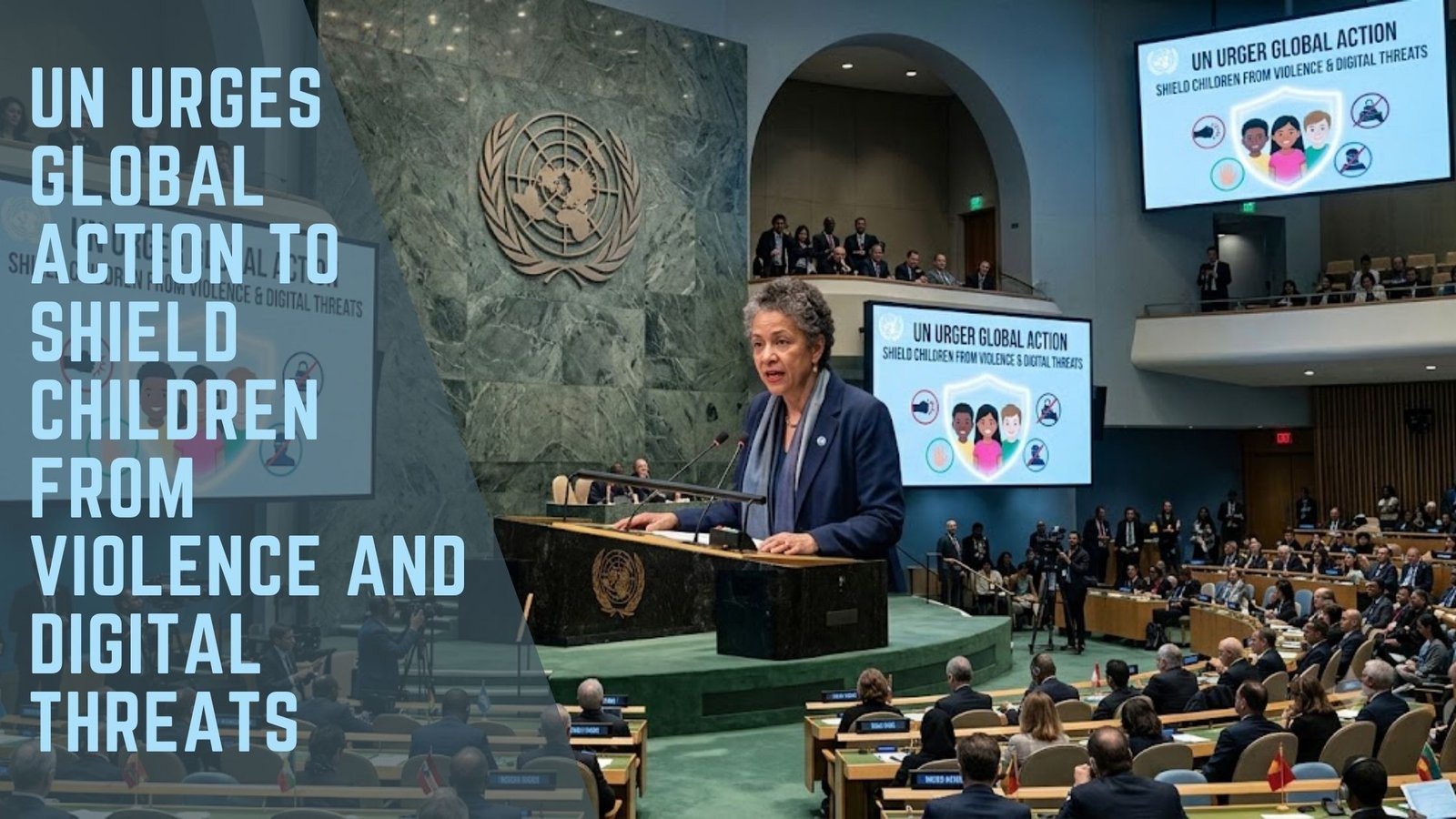

UN Issues Urgent Call to Protect Children from Rising Violence
The United Nations has raised significant concerns over the escalating violence against children worldwide, emphasizing the urgent need for enhanced protection measures. Despite previous commitments to end such violence by 2030, a new report indicates that substantial work remains to be done. Dr. Najat Maalla M’jid, the Special Representative of the UN Secretary-General on Violence Against Children, has compiled a comprehensive progress report that will be presented at the 81st session of the UN General Assembly for discussion.
Growing Threats Amplified by Global Challenges
The report highlights several factors contributing to the increased risks faced by children globally. Among these are the rising instances of sexual violence and the long-term disabilities that often result from such abuse. Additionally, climate change and natural disasters are identified as key threat multipliers, exposing approximately 1.1 billion children to at least three overlapping climate hazards. This multifaceted exposure significantly heightens the protection risks for young populations worldwide.
International Efforts and Ground-Level Engagement
Since assuming her role in July 2019, Dr. M’jid has actively engaged with national authorities across member states, conducting 65 country visits to date. Her engagements have included meetings with 35 Heads of State or Government and interactions with 728 ministers and senior officials across diverse sectors. These efforts underscore the international community’s commitment to addressing the challenges faced by children, yet they also highlight the continued need for collaborative action at all levels.
Conflict Zones and Displacement: A Growing Crisis
The report underscores a troubling increase in the number of children living in conflict zones, rising from 10% in the 1990s to nearly 19% today. By the end of 2024, almost 50 million children had been displaced due to conflict and violence, with the global number of displaced children nearly tripling since 2010. This disturbing trend calls for urgent international intervention to provide safe environments for affected children.
Digital Environment: A New Frontier of Violence
One of the most significant transformations since the initial United Nations study has been the rapid expansion of violence against children in the digital realm. Currently, one in three internet users is a child, and while digital technologies offer tremendous opportunities for learning and social interaction, they also present new forms of violence and exploitation. These include cyberbullying, online sexual exploitation, misinformation, and technology-facilitated crimes.
Emerging Technologies and New Risks
Emerging technologies such as artificial intelligence are creating additional risks, with over 300 million children reportedly victims of online sexual exploitation annually. Alarmingly, at least 1.2 million children have had their images manipulated into sexually explicit deepfakes. A recent poll found that 66% of children believe cyberbullying has increased, further indicating the pervasive nature of digital threats.
A Call for Comprehensive Global Strategies
To address these issues, the Special Representative has called for a holistic approach that includes prevention, protection, participation, and accountability. Recommendations include developing national strategies, legally prohibiting all forms of violence, enhancing data collection and research, investing in child protection systems, and ensuring active participation of children in decisions affecting their lives. These measures aim to safeguard children’s rights and well-being in an increasingly complex world.
The Economic Impact of Ignoring the Crisis
The report also highlights the economic ramifications of failing to address mental health conditions among children, with an estimated global cost of $393 billion annually in lost human capital. This figure underscores the urgent need for comprehensive strategies to protect and nurture the next generation, ensuring they can grow and thrive in a safe environment.