

Oil Spill from Grounded Tanker Poses Environmental Risk
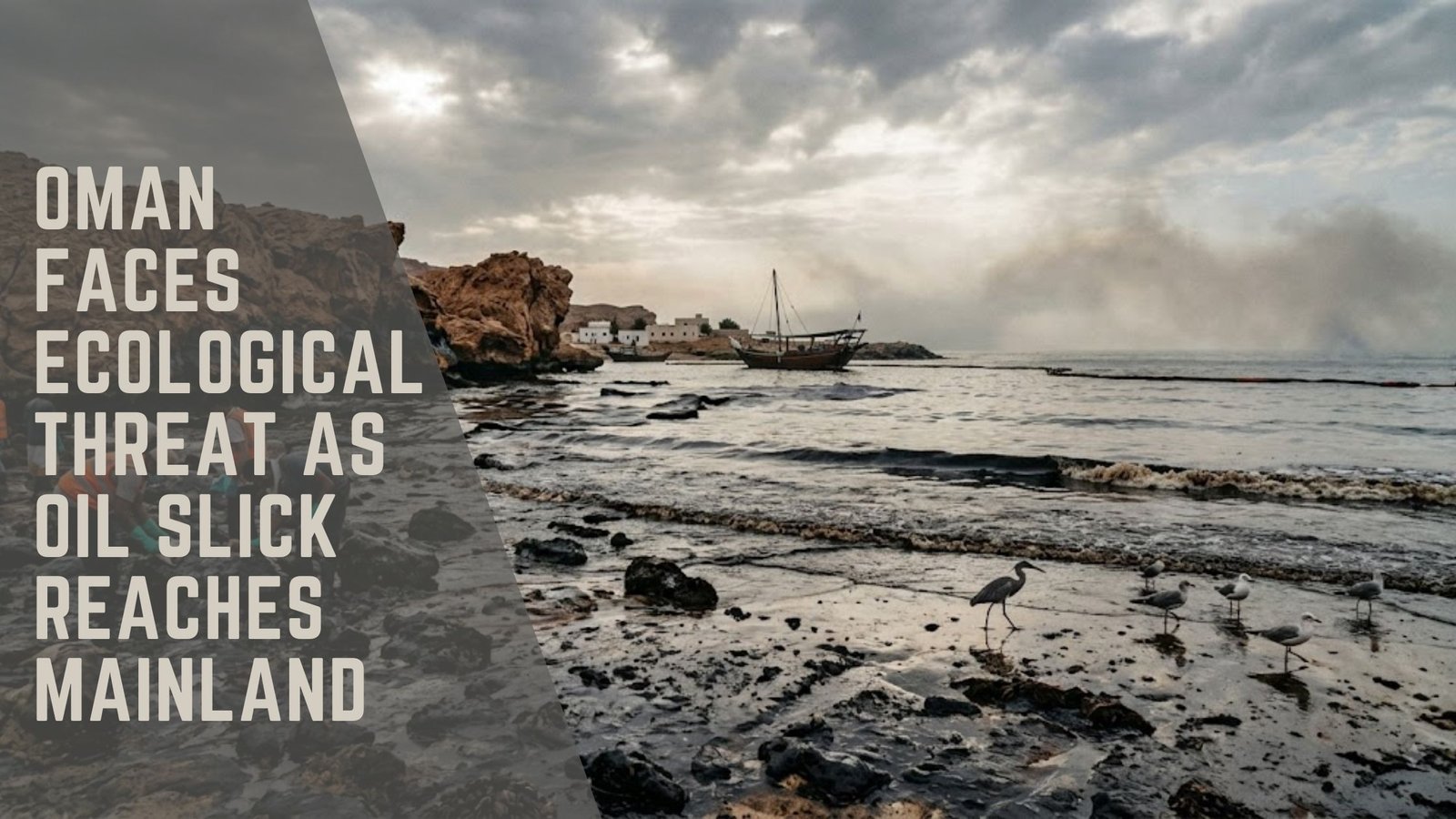
Oil from the grounded tanker Caroline Bezengi has begun to wash ashore on Oman’s mainland, according to a report from the United Nations’ International Maritime Organization (IMO) on Wednesday. This development presents a significant ecological threat, as the spill is drifting close to the northeast of Al-Qibliyyah Island, with some deposits already reaching the mainland.
Environmental Impact and Response Measures
The oil spill has already created a slick spanning nearly 400 square kilometers, impacting a nature reserve in the region. Omani authorities disclosed this information earlier in the week, highlighting the potential environmental and economic repercussions for the area.
In response, contingency plans have been activated to address the spill’s impact and prevent further damage. The IMO has emphasized the importance of these measures, ensuring that local ecosystems and communities are safeguarded as much as possible. However, the challenges posed by the current weather conditions have made it difficult to carry out effective containment operations.
Tanker Details and Delayed Salvage Operations
The Caroline Bezengi, carrying approximately 800,000 barrels of oil from Russia, was en route to Asia when it ran aground off the coast of Oman on June 30. The vessel is situated about 22 nautical miles from the fishing village of Sharbithat. The IMO has reported that oil has been leaking from the tanker for an extended period, with the situation exacerbated by seasonal monsoon weather that has limited access to the site and delayed crucial salvage operations.
The IMO is working closely with both local and international partners to monitor the situation and coordinate an effective response. The agency is focused on minimizing environmental damage and ensuring the safety of the surrounding communities.
Challenges and Future Outlook
The current monsoon season complicates efforts to manage and mitigate the spill, as high winds and rough seas hinder salvage and containment activities. This situation underscores the ongoing challenges faced by maritime authorities in dealing with oil spills, particularly in regions with volatile weather patterns.
Efforts are being made to deploy specialized equipment and personnel to manage the spill, but the unpredictable nature of the monsoon season makes it difficult to predict when conditions might improve. Authorities are also preparing for potential long-term ecological impacts, which could affect local fisheries and biodiversity.
International Cooperation and Monitoring
The IMO, along with international partners, remains vigilant in its monitoring of the situation. Cooperation between countries and maritime organizations is crucial in addressing the immediate threat posed by the spill and in developing long-term strategies to prevent similar incidents.
This incident highlights the need for robust international policies and frameworks to manage maritime oil transportation and ensure rapid response to environmental disasters. As the situation develops, ongoing assessments and updates will be necessary to adapt strategies and protect the affected regions effectively.